


Research Overview
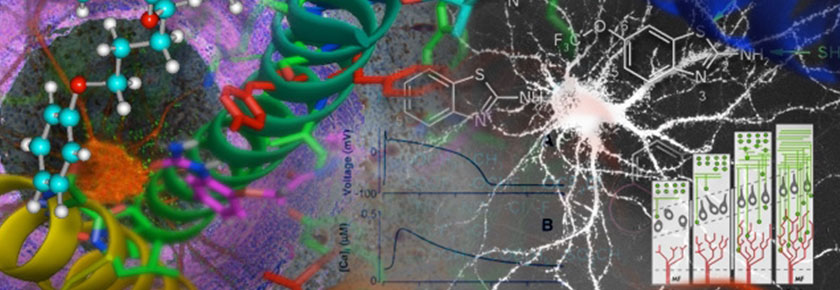
Faculty Research Interests
Donald M. Bers, Ph.D.Cardiac muscle electrophysiology, calcium dynamics and contractile regulation: Molecules to Heart. |
Julie Bossuyt, D.V.M., Ph.D.Cellular and molecular mechanisms of cardiac plasticity and disease. |
Chao-Yin Chen, Ph.D.Central neuroplasticity in cardiovascular regulation. |
Ye Chen-Izu, Ph.D.Cellular and molecular mechanisms of heart disease and biophysics of the cardiac muscle excitation, contraction coupling. |
Yi-Je (Jay) Chen, D.V.M., Ph.D.Potassium channels in ischemic stroke and neuroinflammation. |
Nipavan Chiamvimonvat, M.D.Functional roles of different isoforms of cardiac calcium channels using combined techniques of transgenic mouse models, gene silencing and patch-clamp recordings. |
Colleen E. Clancy, Ph.D.Computational approaches to reveal mechanisms of excitability in the heart and brain. |
Elva Diaz, Ph.D.Functional genomics of nervous system development. |
Angela Gelli Ph.D.Virulence determinants of fungal pathogenesis. |
Eleonora Grandi, Ph.D.Cellular mechanisms of complex cardiac arrhythmia diseases, such as heart failure and atrial fibrillation. |
Johannes Hell, Ph.D.Molecular basis of synaptic plasticity and the role of signaling complexes. |
Mary C. Horne, Ph.D.Unconventional cyclin function during cellular growth, differentiation and stress responses. |
Richard Horuk, Ph.D.Chemokine receptors as therapeutic targets both for autoimmunity and for the treatment of malaria. |
Leighton Izu, Ph.D.Dynamics and stability of the cardiac control system. |
Anne Knowlton, Ph.D.Understanding the role of protein localization and post-translational modification of heat shock proteins (HSPs) and the estrogen receptor in cardiovascular disease. |
Manuel Navedo, Ph.D.Mechanisms of excitation - contraction and excitation - transcription coupling in arterial myocytes. |
Crystal Ripplinger, Ph.D.Mechanisms of cardiac arrhythmias; cardiovascular molecular imaging. |
Michael A. Rogawski, M.D., Ph.D.Cellular neurophysiology of ion channels; neurological therapeutics, with an emphasis on antiepileptic drugs and other epilepsy treatment approaches; treatment of traumatic brain injury and post-traumatic epilepsy. |
Daisuke Sato, Ph.D.Mathematical modeling of action potential and calcium cycling. Nonlinear dynamics of cardiac phenomena including alternans, early and delayed afterdepolarizations, Ca sparks, Ca waves. |
David Segal, Ph.D.Engineering zinc finger DNA-binding proteins for diagnostics and gene therapy. |
Heike Wulff, Ph.D.Potassium channel modulators for the treatment of autoimmune and cardiovascular disease. |
Yang K. Xiang, Ph.D.Neurohormonal regulation of GPCR signaling in heart failure and Alzheimer's diseases. |
 Pharmacology Training Program
 UC Davis Cardiovascular Symposium