
Quantcast

Department of Physiology and Membrane Biology

Department of Physiology and Membrane Biology

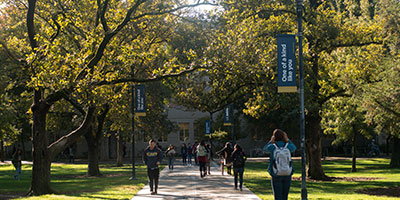
The Department of Physiology and Membrane Biology is one of five basic science departments in the UC Davis School of Medicine. The department was founded in 1966. The department is housed in a recently renovated space on the fouth floor of Tupper Hall. The offices and research laboratories within the department occupy approximately 9500 square feet in Tupper Hall. At the present time there are 9.5 FTE and two research faculty all with active research programs. The department faculty are actively involved in teaching at the undergraduate, graduate and medical levels. Graduate students in the department are members of campus-wide graduate groups and conduct their research under the direction of the departmental faculty members.

Research

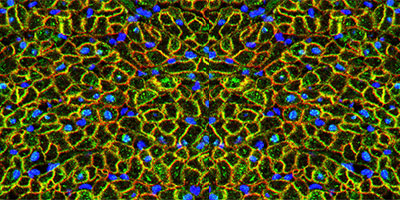
The research interests of the faculty of the Department of Physiology and Membrane Biology are focused on membrane physiology with a broad integrating theme of fluid and electrolyte homeostasis. Funding for faculty research programs within the department is provided by the National Institutes of Health, and to a lesser extent through a number of extramural agencies, including the American Heart Association, Shriner's Hospital for Children, Genentech Inc., various donors, and a variety of intramural sources. Specific areas of faculty research interest include:

Membrane Transportation Channels

  • Cell volume and pH regulation
  • K Channels
  • Cyclic nucleotide-gated channels
  • Ion transport by vascular endothelial and trabecular cells
  • Signal transduction
  • Structure-function
  • Membrane Trafficking
  • Neural Regeneration and Plasticity
  • Molecular Physiology of the Na-K-Cl and K-Cl cotransporters functional consequences and control in the CNS
  • Molecular physiology NHE 1
  • Airway epithelial biology/cystic fibrosis
  • Nicotinic acetylcholine receptors
  • Store-operated Ca2+ channels
  • Intracellular Ca2+ signaling

Circulatory Physiology

  • Microcirculation
  • Microvascular permeability
  • Endothelial cell biology
  • Cardiovascular physiology and pathophysiology
  • Myocardial hypoxia and ischemia
  • Stroke

Neural and Muscle Development, Regeneration and Plasticity

  • Neuromuscular synapse formation
  • Neuronal synapse formation and plasticity
  • Trophic interactions of nerve and muscle

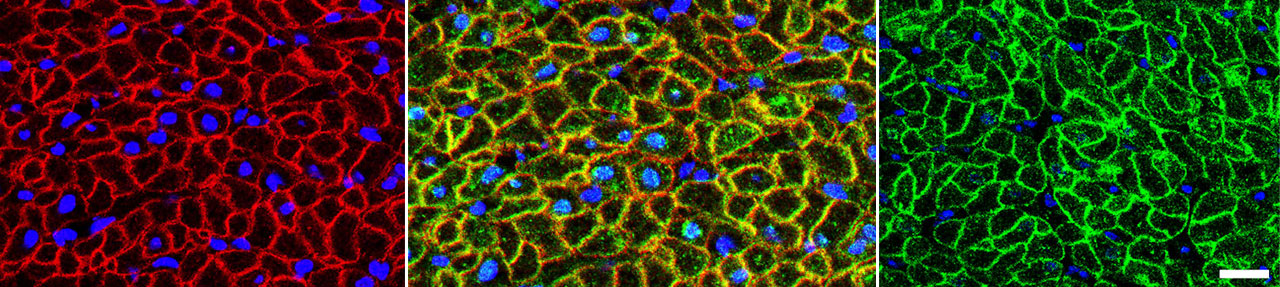
In all cases, the research employs a combination of cell, molecular and biophysical methodologies in order to address questions relevant to cell and organ physiology and pathophysiology.

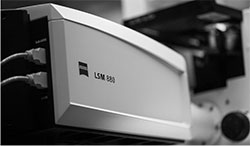
The Department is well equipped with modern instrumentation necessary for optical biology and molecular methods plus shared instrumentation for NMR. Departmental faculty members are involved in active collaboration with faculty in the Departments of Neurology, Cardiovascular Medicine, Surgery, Plastic Surgery, PM&R and Ophthalmology and Anesthesiology.

Visit physiology.ucdavis.edu for more information.