A collaborative, inclusive Community
About UC Davis School of Medicine
We are training the next generation of physicians, scientists and health care leaders.
A Nationally Ranked School
UC Davis School of Medicine is consistently recognized as one of the nation’s leading medical schools by U.S. News & World Report, ranking in the top 10 for family medicine, primary care and diversity. We are also among the country’s leading medical schools for transdisciplinary research.
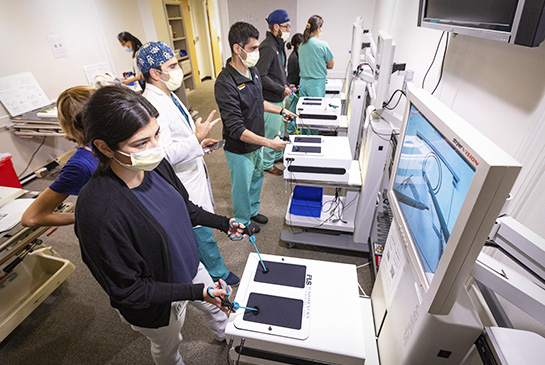
Leading-edge training
Read More
Top Academic Medical Center
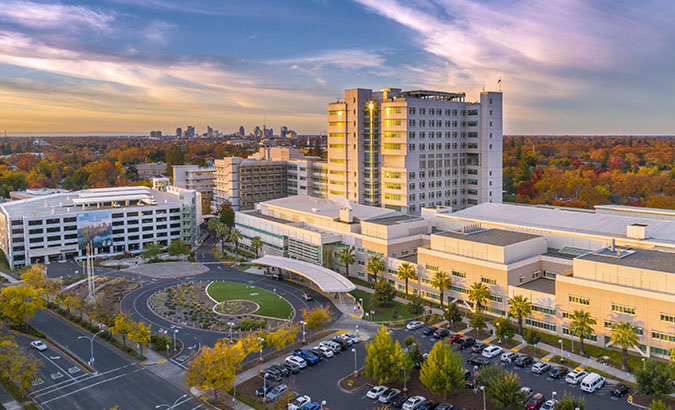
Our learners and trainees have the opportunity to gain patient care experience at UC Davis Medical Center, one of the nation’s premiere teaching hospitals. Ranked as the No. 1 hospital in Sacramento and No. 7 in California, we have the only Level I trauma center in inland Northern California.
Students and trainees also have opportunities to get primary care training with our community partners and affiliated clinics serving historically under-resourced communities.
A Research Powerhouse
Record-high $401 Million
External research funding for fiscal year 2022-23
Top 50 for Research
Among medical schools ranked by U.S. News & World Report in 2023-2024

A Commitment to Our Community
Student-run Clinics
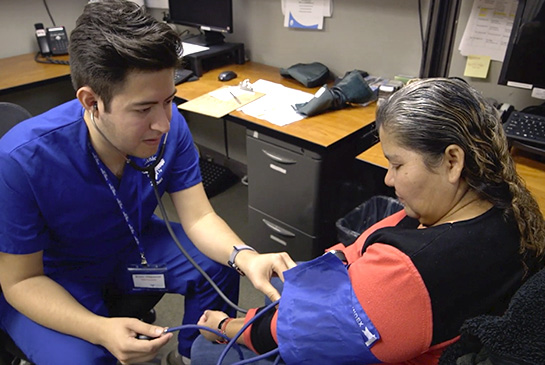
For more than 50 years, the nationally recognized UC Davis affiliated student-run clinics and nonprofit partners have provided free health care to thousands of uninsured, low-income and other under-resourced communities throughout Sacramento.
An Inclusive Learning Environment
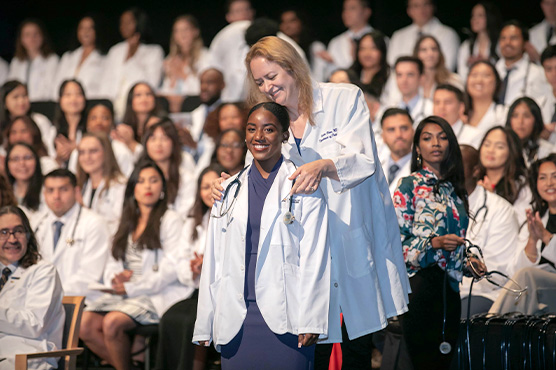
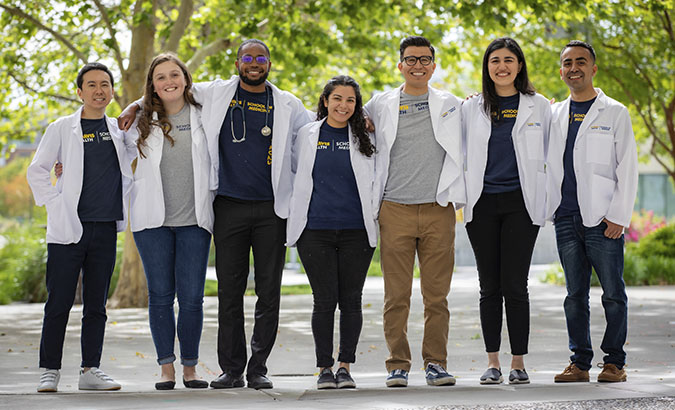
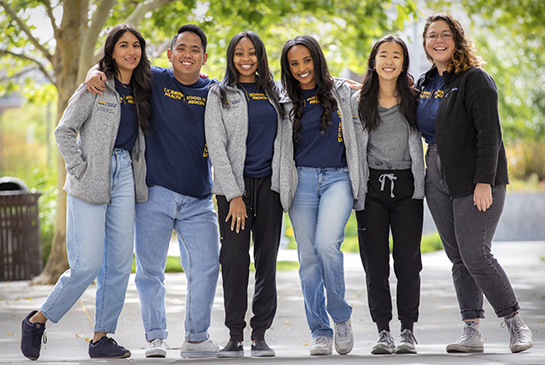
As one of the most diverse medical schools in the nation, we are building a health care workforce that reflects the rich vibrancy and diversity of our communities.
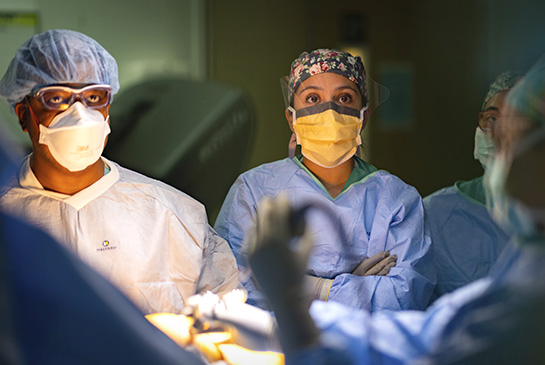
Center for a Diverse Healthcare Workforce
The Center for a Diverse Healthcare Workforce leads research focused on recruiting, training and retaining a diverse health care workforce to advance health equity and improve health outcomes.
Committed to the Principles of Community
Read Principles of CommunityMore About the School of Medicine
Awards and Recognition
Ranked No. 6 for primary care training
U.S. News & World Report ranks the UC Davis School of Medicine No. 6 in the nation for primary care training.
Ranked highly for medical research
U.S. News & World Report ranks the UC Davis School of Medicine No. 50 in the nation for research.
One of America’s most diverse medical schools
U.S. News & World Report ranks the UC Davis School of Medicine No. 3 in the nation for diversity.
Most graduates in primary care
U.S. News & World Report ranks UC Davis School of Medicine among the nation’s best for most graduates practicing in primary care fields.


