Trauma Prevention and Outreach

Trauma Prevention and Outreach

Child passenger safety

4-Steps for Kids

Buckle Up to Grow Up: One Step at a Time

Our car seat program is modeled after the National Highway Traffic Safety Administration’s “4-Steps for Kids” campaign and provides care givers with easy to follow instructions on selecting and using the correct child passenger restraint. For more information about our child passenger safety program, contact Cathy Morris at (916) 734-9784.

More Information

Step 1

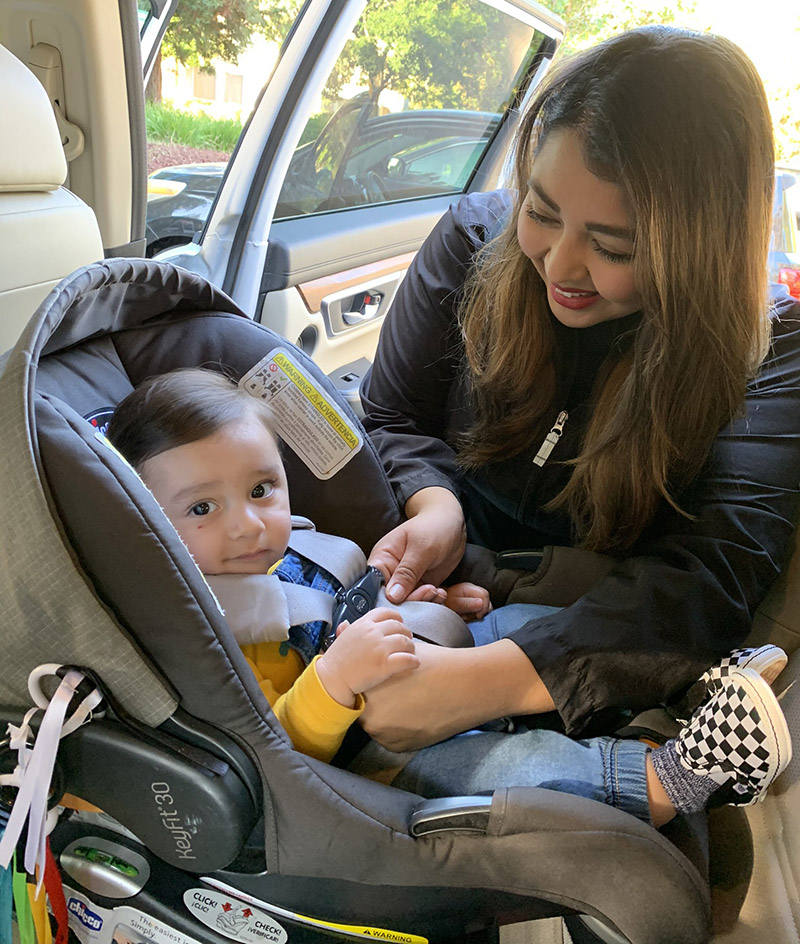
Step 1: Rear-Facing Seats

/injuryprevention/images/4_step_bro/CWagner_373-resized.jpg

Newborn to at least one year of age and at least 20 pounds.

More Information

Step 2

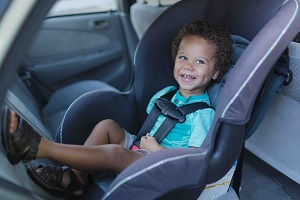
Step 2: Forward-Facing Seats

/injuryprevention/images/4_step_bro/2_NGomez362_b-resized.jpg

Children at least 1 year of age and over 20 pounds

More Information

Step 3

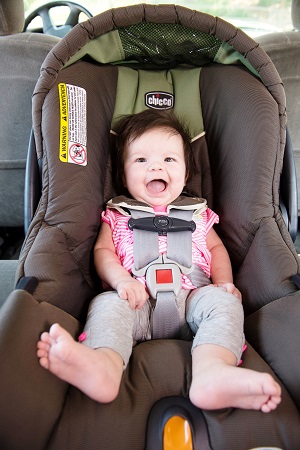
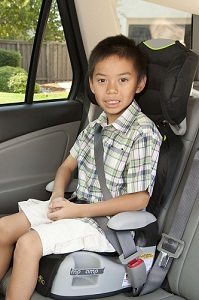
Step 3: Booster Seats

 /injuryprevention/images/4_step_bro/3_Booster_Seat_FLIP-resized.jpg

Children over 40 pounds

More Information

Step 4

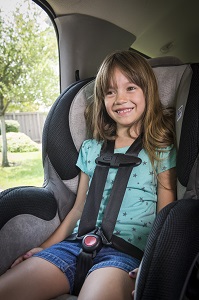
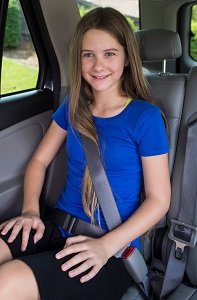
Step 4: Seat Belts

/injuryprevention/images/4_step_bro/4_Laura_seat_belts-resized.jpg

Children over 4’9”

More Information

Motor vehicle crashes are the leading cause of death and injuries to children, but children correctly secured in the right car seat or booster seat are far more likely to survive a crash without major injuries.

UC Davis trauma prevention car seat program

Our car seat program was established in 1995 to assure that every child discharged from the health system left safer than when they arrived. Since that time, child passenger safety has been successfully incorporated into every department of the health system that provides care for children.

The ongoing success of our community car seat program has been made possible by a grant from the Office of Traffic Safety and generous funding from Kohl’s Cares for Kids and the Children’s Miracle Network. The Al and Mary Wickland Fund of the Sacramento Region Community Foundation is the sole provider of car seats for children at the UC Davis Medical Center.

Choosing the right seat for your child

The best and safest child safety seat is one that fits your child, fits in your vehicle and is easy to adjust, so you can do it correctly every single time. Click here for more information.

Installation tips

Always follow the child safety seat instructions and the vehicle manufacturer’s instructions to ensure the seat is being used properly. Click here for more information

 LATCH - (Lower Anchors and Tethers for Children)

Getting your car seat installation checked

Get your child's safety seats checked to make sure it is installed properly. There are many permanent child passenger safety  fitting stations in the Sacramento area where you can make sure your car seat is installed properly or you can call our office for a free appointment at (916) 734-9784.

California child passenger safety law

California State law requires children under age 6 or weighing less than 60 pounds to ride in the back seat of a vehicle in a car seat or booster seat (V.C. 27360). 

However, the American Academy of Pediatrics (AAP) recommends that children remain in the back seat of a vehicle until age 13 and in a booster seat until the seat belt fits, which is usually about 4’9” tall.  

Learn more about car seats

Our program offers free monthly car seat classes that teach parents and care givers how to select and use a car seat. These classes are also available in Spanish every other month. For more information about our car seat classes or for the date of our next class, call (916) 734-9799 or click on the link above.

Child passenger safety materials

Car seat information – Full brochure (infant seat through booster seats)

Car seat information – 1 page (infant seat through booster seat)

Booster seat information

Growth chart with car seat information

Specialized Child Restraints

For information about our child passenger safety DVD, Buckle up to Grow up: Once Step at a Time, call (916) 734-9784. (Available in English, Spanish, Russian and Hmong)

More child passenger safety resources

American Academy of Pediatrics (AAP)
The AAP provides extensive child passenger safety information for health-care professionals, child passenger safety technicians, and parents.
Car Safety Seats “A Guide for Families”
Children with special transportation needs 

Automotive Safety Program, Riley Hospital for Children
The National Center for the Safe Transportation of Children with Special Health Care Needs serves as a resource for families, health care professionals, transportation providers and child passenger safety advocates. 

California Department of Public Health provides vehicle occupant protection information for parents, child passenger safety technicians and health-care professionals. 

National Highway Traffic Safety Administration (NHTSA) is a federal government agency responsible for reducing deaths, injuries and economic losses resulting from motor vehicle crashes. 
Child Safety Seat Recalls 
Child Safety Seat Registration Form
Child Safety Seat Complaint Form 

Partners for Child Passenger Safety provides information on Keeping Kids Safe During Crashes: Every Child Deserves a Safe Ride site includes videos and other useful information. 

Safe Kids Worldwide is a global network of organizations whose mission is to prevent accidental childhood injury, a leading killer of children 14 and under. 

Safety Belt Safe U.S.A. provides comprehensive site for parents and child passenger safety technicians.