
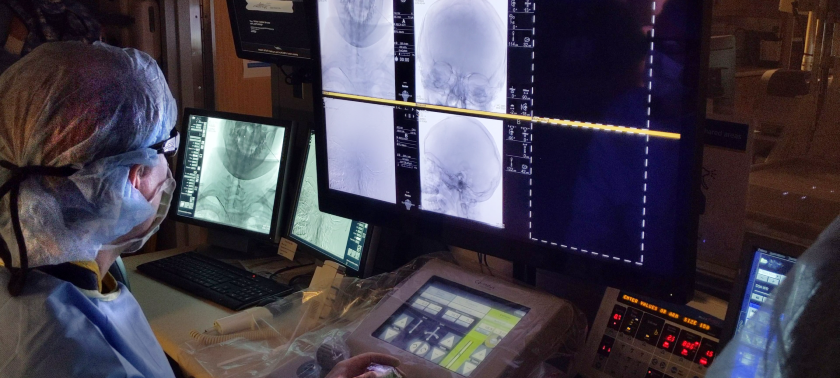
National leaders in robotic-assisted surgery
UC Davis Health surgeons are known throughout the U.S. for their leadership in robotics, the latest development in minimally invasive surgical technology. Robotic-assisted surgery is offered in several specialties, including gastrointestinal, cardiothoracic, gynecologic oncology, otolaryngology (head and neck) and urologic surgery. Each procedure is performed by a highly experienced and skilled team of surgeons, nurses and technicians who are specially trained to use robotic surgical systems.
Benefits to surgeons and patients
The key differences of using robotic systems for surgeons are improved, 3D visualization and precision control of surgical instruments. The technology can be ideal for certain delicate or complex surgeries, because it makes it easier for surgeons to avoid surrounding nerves and organs.
For patients, robotic surgery offers several potential benefits over conventional open surgery, including:
- Less pain and use of pain medication
- Less blood loss
- Less risk of infection
- Less scarring
- Shorter hospital stays
- Shorter recovery time
How robotic-assisted surgery works
UC Davis Health surgeons have access to the latest da Vinci XI and SP robotics systems. Our spinal neurosurgeons use the ExcelsiusGPS system.
With da Vinci systems, the surgeon sits at a control console near the patient while an assistant surgeon is at the patient’s bedside. Procedures involve very small, keyhole-sized incisions (with SP, just one incision) through which a tiny camera and surgical instruments are placed. The surgeon sees the operative field through a video monitor and manually controls robotic arms that replicate movements of the surgeon’s hands.
The ExcelsiusGPS robotic navigation system is alongside the patient’s bedside together with the surgeon. The system links imaging with precision alignment technology for procedures that involve placing screws to improve spinal stability.
Working with patients to decide if robotics is right for them
As with all surgical procedures, outcomes of robotics surgeries cannot be guaranteed. Your physician will discuss the risks and benefits of treatment options with you.
Learn more about da Vinci surgical systems »
Learn more about the ExcelsiusGPS system »
Our Robotic Program Surgeons
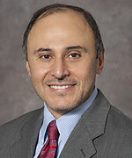
Mohamed R. Ali
Gastrointestinal Surgery

Arnaud Bewley
Head and Neck Surgery

David Michael Brandman
Cranial Surgery

Rebecca Brooks
Gynecologic Oncology

Lisa Brown
Thoracic Surgery

Noah Canvasser
Urologic Surgery

Branden John Cord
Endovascular Surgery

David Cooke
Thoracic Surgery

Julius Ebinu
Spinal Neurosurgery

Marc Dall'Era
Urologic Surgery

Christopher P. Evans
Urologic Surgery

D. Gregory Farwell
Head and Neck Surgery

Sean Michael Flynn
Colorectal Surgery
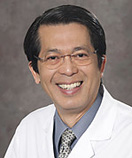
Hung S. Ho
Gastrointestinal Surgery

Vanessa Kennedy
Gynecologic Oncology

Bob Kiaii
Cardiothoracic Surgery

Kee D. Kim
Spinal Neurosurgery
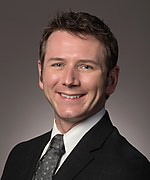
Robert Kucejko
Colorectal Surgery
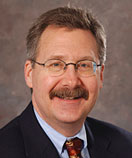
Gary S. Leiserowitz
Gynecologic Oncology

Allan Russell Martin
Spine Surgery
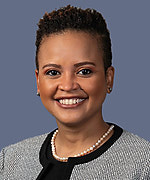
Miquell Miller
Colorectal Surgery

Bahareh M. Nejad
Gynecologic Surgery
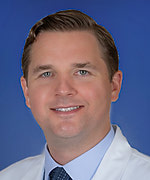
Erik Noren
Colorectal Surgery

Rachel Ruskin
Gynecologic Oncology
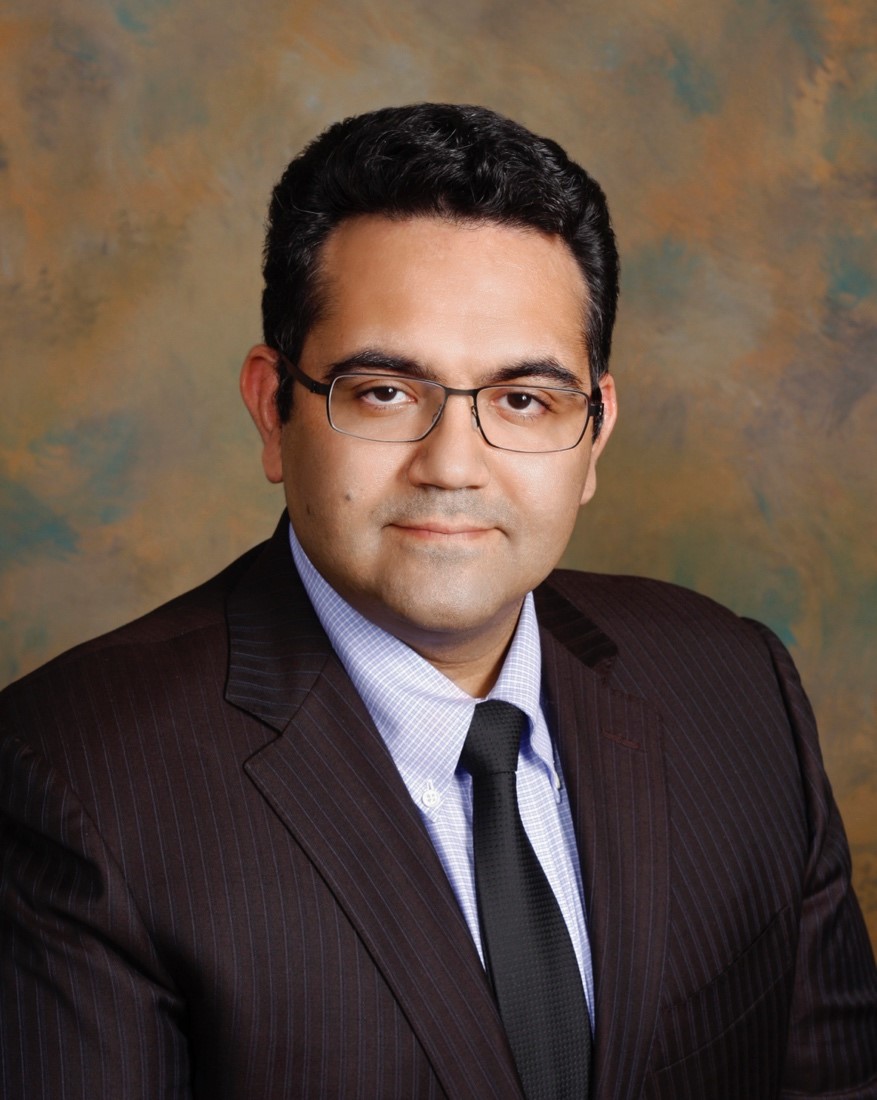
Ankit Sarin
Colorectal Surgery

Kiarash Shahlaie
Cranial Surgery

Hazem Shamseddeen
Gastrointestinal Surgery
James Taylor
Colorectal Surgery

Ben Waldau
Endovascular Surgery

Hussein A. Warda
Female Pelvic Medicine and Reconstructive Surgery

Jennifer Yang
Pediatric Urologic Surgery
Michelle Zaldana-Flynn
Plastic Surgery