

Clinical Radiation Oncology
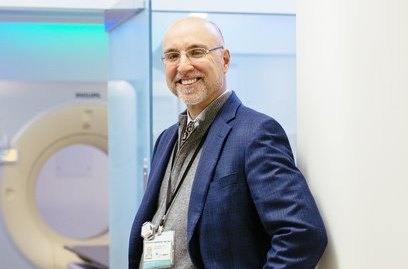 The nationally recognized faculty in the UC Davis Department of Radiation Oncology focus their research on innovative treatment approaches to manage many cancers types.
Our broad interests include clinical trials and translational research on a variety of subjects. Some of our focus is on low-dose radiation biology, 3-D conformal radiation therapy, intensity-modulated radiotherapy, stereotactic radiotherapy and radiosurgery, high-dose radiotherapy, chemoprevention, quality of life, image-guided radiotherapy and translational research. Numerous departmental databases have been established that emphasize clinical outcomes and image-guided radiotherapy for performing high-quality, retrospective research. Our research has been published in many high-profile journals, and is frequently cited by radiation oncologists outside our facility.
Research faculty
Richard Valicenti, M.D.
Professor
Chair, Radiation Oncology
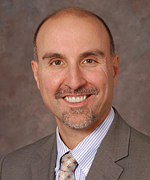 Richard Valicenti
Dr. Richard Valicenti’s research focus includes the development of new treatment strategies for prostate cancers. He has published extensively on the use of IMRT and IGRT as it improves techniques in radiation therapy delivery. He also has interest in studying the quality of life after radiation treatment for prostate cancer, focusing on both the preservation of sexual function and optimally managing sexual dysfunction after radiation therapy. Valicenti is a nationally-recognized researcher in the area of post-prostatectomy radiation therapy and has led several national and investigator-initiated clinical trials.
Megan Daly, M.D.
Professor
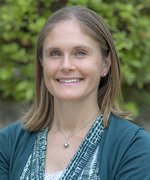 Megan Daly
Dr. Megan Daly's research is focused on thoracic malignancies, lymphoma and head and neck cancers. She specializes in a variety of radiotherapy techniques including stereotactic body radiotherapy (SBRT), intensity modulated radiation therapy (IMRT), and image guided radiation therapy (IGRT). Her research interests focus on the use of stereotactic body radiotherapy for the treatment of early-stage lung cancer, metastatic lesions to the lung, and for primary and metastatic tumors of the spine. Daly also has a research interest in head and neck cancer, specifically in the use of advances in image guidance and conformal treatments to allow dose escalation while sparing normal tissues and reducing the side-effect profile of radiation treatment.
Ruben Fragoso, M.D., Ph.D.
Associate Professor
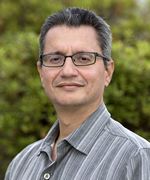 Ruben Fragoso
Dr. Ruben Fragoso’s research is focused on the immune system. He has studied the signals required for T cell lineage commitment, specifically the CD4 and CD8 co-receptor signals required to drive thymocytes to their respective lineages. His research has also included tumor surveillance by the immune system as well as glioblastoma multiforme, an aggressive grade IV glioma. A specific research interest for Fragoso includes cancer “stem” cells, a small subpopulation of a cancer tumor that can repopulate the tumor and recapitulate the histology. His research has shown these cancer stem cells are more resistant to chemotherapy and radiation, and are believed to be the culprits for recurrence. He is currently exploring adoptive immunotherapy in an attempt to use the immune system’s cells to better target these cancer stem cells.
Arta Monjazeb, M.D., Ph.D.
Professor
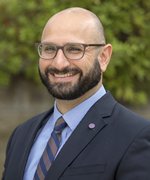 Arta Monjazeb
Dr. Arta Monjazeb is a clinician scientist and focuses his basic science research on tumor immunology and harnessing the immune system to fight cancer, on which he collaborates with Dr. William Murphy. Under the right circumstances radiotherapy not only induces tumor cell kill but may also alter the immunosuppressive tumor microenvironment. Thus, Monjazeb explores how radiotherapy can be used with immune modulation to promote anti-tumor immune responses. Clinically, he is interested in translating his basic science research into the clinic. He is studying – within the setting of clinical trials – the use of advanced imaging and radiotherapy techniques to improve the outcomes of patients with sarcomas and gastrointestinal malignancies. He has recently published a study examining how FDG-PET response to chemo-radiotherapy can be used to determine which esophageal cancer patients may benefit from surgery.