Hematology and Oncology
Treating Blood-Related Illnesses and Cancer
Our specialists offer expert diagnosis and treatment of common as well as complex blood disorders and medical cancer therapy.
Specialties
Hematology and Oncology
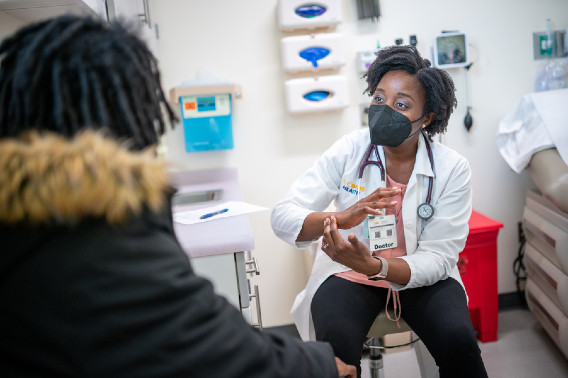
Integrated with the UC Davis Comprehensive Cancer Center, our division brings together hematologists and oncologists. Many blood disorders are benign, but nearly half of the blood disorders we encounter are malignant (cancerous). We are at the forefront of research and treatment. We have firsthand experience in encountering and managing a wide variety of conditions. That results in timely, accurate diagnoses and pinpoint novel treatments. Our clinicians are part of the team that introduced FDA-approved Chimeric Antigen Receptor T-cell therapy (CAR T-cell) to the Sacramento region. CAR T-cell therapy is a new immunotherapy approach that has been effective for lymphoma patients who are not responsive to chemotherapy and cannot undergo a stem cell transplant. Our researchers are advancing the application of regenerative medicine as well, and we’re training future hematologists and oncologists.
Expertise in All Forms of Hematology and Oncology
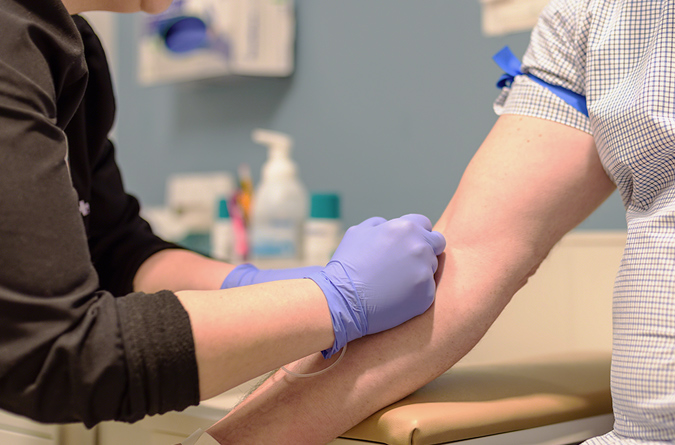
Our hematologists have years of expertise blood disorders anemias, sickle cell disease, bone marrow disorders and much more. Our oncologists have expertise in leukemia and lymphoma, myeloma, breast cancer and other forms of cancer. Several of our primary care providers are also a part of the UC Davis Comprehensive Care Center, Sacramento’s only National Cancer Institute-Designated Comprehensive Cancer Center.
New and Current Patients
Make an appointment
Appointments and Referrals
Whether you are seeking everyday health care or need specialty care for a specific medical problem, we are here to help.
Rated High-Performing for Our Care and Procedures
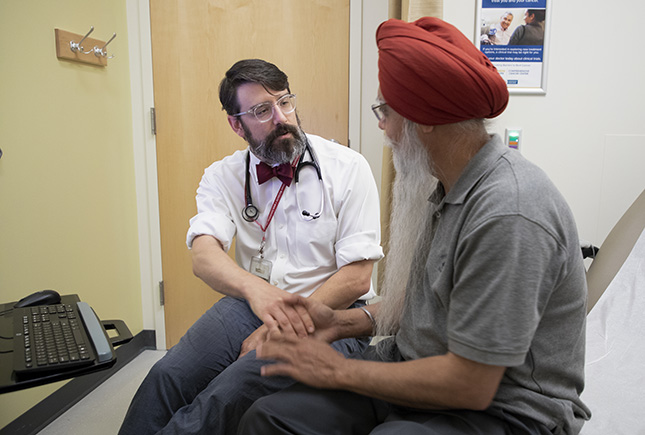
UC Davis Medical Center is rated as high performing in Colon Cancer Surgery, Leukemia, Lymphoma & Myeloma, Lung Cancer Surgery, Ovarian Cancer Surgery, Prostate Cancer Surgery and, Uterine Cancer Surgery by U.S. News and World Report.
Research Projects
Our physicians are actively engaged in areas of research that cover all kinds of clinical and population research. This includes therapeutic cancer techniques, stem cell biology, stem cell transplant and much more
Our Fellowship Program
The hematology and oncology fellowship program offers a unique and comprehensive experience that helps train tomorrow's leaders in patient care and research.