Clinical and Translational Science Center

Clinical and Translational Science Center

UC Davis research news releases

  All news releases   Research News releases only  

May 2013

UC Davis researchers receive grant to study neurodegenerative disease FXTAS

May 22, 2013 — Researchers at the UC Davis MIND Institute and the UC Davis Center for Mind and Brain have received a five-year, $3 million grant from the National Institute of Mental Health to conduct the first long-range study of the mental and psychological decline that accompanies the age-related neurological disorder fragile X-associated tremor/ataxia syndrome, or FXTAS.

Past trauma, poor understanding of health-care services common among Sacramento Iraqi refugees

May 20, 2013 — Past trauma and a lack of understanding of the U.S. health-care system are key factors affecting the mental and physical health of Iraqi refugees in Sacramento, according to a new report released today (May 20) by UC Davis’ Center for Reducing Health Disparities and Clinical and Translational Science Center, as well as Opening Doors, Inc. and the Mesopotamia Organization (MESO) —  two community groups  that serve refugee populations.

Study identifies new approach to improving treatment for MS and other conditions

May 17, 2013 — Working with lab mice models of multiple sclerosis (MS), UC Davis scientists have detected a novel molecular target for the design of drugs that could be safer and more effective than current FDA-approved medications against MS.

UC Davis Center for Reducing Health Disparities receives $1 million grant from Covered California

May 15, 2013 — The UC Davis Center for Reducing Health Disparities has received a $1 million grant from Covered California, the state’s health insurance marketplace, to provide outreach and education to underserved populations about obtaining health insurance.

UC Davis receives awards to study new treatments for childhood diseases

May 13, 2013 — Three researchers from the University of California, Davis, are among the scientists selected to receive Individual Biomedical Research Awards from The Hartwell Foundation this year. The awards recognize early-stage, innovative and cutting-edge biomedical research that has the potential to benefit children in the U.S. and beyond

Tailoring pulmonary rehabilitation could improve outcomes for women with COPD

May 10, 2013 — —One of the most effective treatments for chronic obstructive pulmonary disease (COPD) — pulmonary rehabilitation — could potentially work even better if programs were designed based on gender, according to a UC Davis pulmonary physician.

UC Davis researchers identify mechanism for controlling calcium influx in cells

May 8, 2013 — When brain cells are overwhelmed by an influx of too many calcium molecules, they shut down the channels through which these molecules enter the cells. Until now, the “stop” signal mechanism that cells use to control the molecular traffic was unknown. In the new issue of the journal Neuron, UC Davis Health System scientists report that they have identified the mechanism. Their findings are relevant to understanding the molecular causes of the disruption of brain functioning that occurs in stroke and other neurological disorders.

UC Davis radiation oncology chief leads development of new prostate cancer guideline

May 7, 2013 — Based on a major effort co-led by UC Davis prostate cancer expert Richard Valicenti, the nation’s leading urological and radiation oncology organizations today announced a new guideline for radiation therapy after prostatectomy.

Ubiquitous engineered nanomaterials cause lung inflammation, study finds

May 6, 2013 — A consortium of scientists from across the country has found that breathing ultrafine particles from a large family of materials that increasingly are found in a host of household and commercial products, from sunscreens to the ink in copy machines to super-strong but lightweight sporting equipment, can cause lung inflammation and damage.

April 2013

Commentary calls for greater transparency in highlighting social value of research

April 29, 2013 — In a commentary published in the May issue of Mayo Clinic Proceedings, UC Davis bioethicist Mark Yarborough proposes that more information about the social value of individual research studies be made available to patients during the informed consent process so they are more aware of the degree to which a study has the potential to improve health for all.

MIND Institute, Yale study finds abnormalities in the placentas of children at risk for autism

April 24, 2013 — A study by researchers at the UC Davis MIND Institute and the Yale University School of Medicine has found that more than 95 percent of the placentas of infants who are among those at the greatest risk for developing autism contained abnormal cells, called trophoblast inclusions, suggesting that the abnormality may hold promise as a very early marker for autism risk.

Health-care worker visits increase hepatitis B screening rates for Hmong Americans

April 23, 2013 — In the first study of its kind, lay health workers increased screening rates for hepatitis B virus (HBV) and knowledge about the disease among a group of Asian Americans, known as the Hmong, UC Davis researchers have found. The study appears online today in Cancer Epidemiology, Biomarkers & Prevention.

Farmers market comes to UC Davis Health System

April 16, 2013 — UC Davis Health System launches a weekly farmers market on May 16, reflecting a national trend that expands access to fresh, locally grown produce sold directly to consumers.

Mammogram tool improves some breast cancer detection but also increases false alarms

April 15, 2013 — A costly and widely used mammography add-on increases detection of noninvasive and early-stage invasive breast cancer but also makes more mistakes than mammography alone, researchers from UC Davis and the University of Washington have found.

Women with advanced vascular disease have more complications but not common risks

April 12, 2013 — Research by UC Davis physicians has found that women with a severe arterial condition that restricts circulation to arms and legs are at greater risk than men of experiencing a heart attack or stroke yet are less likely to have a history of heart disease or diabetes — common risk factors for major cardiovascular events.

Study finds physicians often receive no information about harmful effects of medicines

April 10, 2013 — More often than not, family doctors receive little or no information about the harmful effects of medicines during clinic visits by pharmaceutical sales representatives (“sales reps”), according to an international study involving physicians in the United States, Canada and France.

Small molecule unlocks key prostate cancer survival tactic

April 9, 2013 — The most recent in a series of studies from a team at the UC Davis Comprehensive Cancer Center has shown that a single molecule is at the heart of one of the most basic survival tactics of prostate cancer cells. 

UC Davis neurosurgeons launch clinical trial for acute spinal cord injury

April 3, 2013 — Spinal surgeons at UC Davis Health System are enrolling individuals immediately following spinal cord injury in a multi-center clinical trial of an investigational compound that is being tested to determine whether it can protect and regenerate the spinal nerves after catastrophic injury.

Fatty acid metabolite shows promise against cancer in mice

April 2, 2013 — A team of UC Davis scientists has found that a product resulting from a metabolized omega-3 fatty acid helps combat cancer by cutting off the supply of oxygen and nutrients that fuel tumor growth and spread of the disease. 

UC Davis MIND Institute's Rogers receives prestigious Autism Centers of Excellence award from the NIH

April 2, 2013 — Autism researchers at the UC Davis MIND Institute have received a prestigious $13 million award from the National Institutes of Health to establish an Autism Center of Excellence and Treatment Network, making the MIND Institute one of only nine such centers in the United States.

March 2013

UC Davis researchers discover how cells distinguish friend from foe

March 31, 2013 — Researchers at UC Davis have shown how the innate immune system distinguishes between dangerous pathogens and friendly microbes. Like burglars entering a house, hostile bacteria give themselves away by breaking into cells. However, sensing proteins instantly detect the invasion, triggering an alarm that mobilizes the innate immune response. This new understanding of immunity could ultimately help researchers find new targets to treat inflammatory disorders. The paper was published in Nature on March 31.

Opposites attract: How cells and fragments move in electric fields

March 28, 2013 — Like tiny, crawling compass needles, whole living cells and cell fragments orient and move in response to electric fields — but in opposite directions, scientists at the University of California, Davis, have found.

New insights into how genes turn on and off

March 27, 2013 — Researchers at UC Davis and the University of British Columbia have shed new light on methylation, a critical process that helps control how genes are expressed. Working with placentas, the team discovered that 37 percent of the placental genome has regions of lower methylation, called partially methylated domains (PMDs), in which gene expression is turned off. This differs from most human tissues, in which 70 percent of the genome is highly methylated.

UC Davis stem cell scientist wins elevator pitch challenge

March 27, 2013 — UC Davis stem cell researcher Paul Knoepfler has added a unique honor to his curriculum vitae: He is among the winners of the California Institute for Regenerative Medicine’s (CIRM) first-ever Elevator Pitch Challenge, which were announced today.

Study shows that blocking an inflammation pathway prevents cardiac fibrosis

March 21, 2013 — New research from UC Davis published in the Proceedings of the National Academy of Sciences shows that blocking an enzyme that promotes inflammation can prevent the tissue damage following a heart attack that often leads to heart failure.

UC Davis research advances efforts to prevent dangerous blood clots

March 20, 2013 — New research from the UC Davis Comprehensive Cancer Center, published in the Journal of Surgical Research, may help clinicians determine which patients are at highest risk for post-surgical blood clots in the legs or lungs.

UC Davis study calls for research on the efficacy and safety of vena cava filters

March 19, 2013 — An evaluation of practice patterns in California hospitals showed a large variation in the use of metal devices called inferior vena cava filters, or VCFs, despite little evidence of their safety and effectiveness. Led by UC Davis physicians, the study demonstrated that patients in larger, urban and private hospitals with more than 400 beds were most likely to be treated with one of the metal devices, which are placed intravenously to prevent pulmonary embolism.

Sleep study reveals how the adolescent brain makes the transition to mature thinking

March 15, 2013 — A new study conducted by monitoring the brain waves of sleeping adolescents has found that remarkable changes occur in the brain as it prunes away neuronal connections and makes the major transition from childhood to adulthood.

Researchers discover key biochemical step to heart failure, new therapies on horizon

March 12, 2013 — Some 5.8 million Americans suffer from heart failure, a currently incurable disease. But scientists at Temple University School of Medicine's Center for Translational Medicine and UC Davis Health System have discovered a key biochemical step underlying the condition that could aid the development of new drugs to treat and possibly prevent it.

Study to examine mental-health effects of Mexican parents' deportation on their American children

March 12, 2013 — How the deportation of undocumented Mexican migrants affects their American-born children, who are faced with either going with their parents to Mexico or remaining in the land of their birth without them, is an issue of paramount importance as the nation engages in discussion of comprehensive immigration reform ― and is the subject of groundbreaking new research by The University of Texas, Austin, UC Davis Health System and the National Institute of Psychiatry, Mexico. [en español]

Large study finds that physician gender does not affect patient-care costs or mortality

March 11, 2013 — Female doctors’ patients do not use health-care services more or die less frequently than patients treated by male doctors, a prospective, observational study by researchers at UC Davis Health System has found.

Gun retailers take a hard line on illegal firearm sales, UC Davis survey finds

March 11, 2013 — A scientific survey of more than 1,600 gun retailers in the U.S. has found that gun buyers frequently try to make illegal purchases and that gun retailers take a dim view of fellow sellers who engage in illegal activity — regardless of whether they are actively breaking the law or simply looking the other way.

New firearms law and mortality study fails to guide next steps

March 6, 2013 — In an invited commentary, Garen Wintemute, an emergency medicine physician and director of the Violence Prevention Research Program at the University of California, Davis, discusses important limitations of a new firearms and crime study linking firearms laws with lower firearm-related deaths.

UC Davis scientist wins prestigious grant to explore cancer spread and stem cell function

March 1, 2013 — Frederic A. Troy, II, professor and chair emeritus of biochemistry and molecular medicine, has received a globally competitive research grant from the Mizutani Foundation for Glycoscience to better understand structural changes associated with metastasis of adult cancer cells and stem cells.

February 2013

A new role for microglia

February 26, 2013 — In a surprise breakthrough, researchers at the UC Davis MIND Institute and their colleagues have found that microglia remove healthy neural progenitor cells (NPCs) through phagocytosis to control neuron production during brain development. This newly discovered mechanism keeps neuron numbers in check, preventing brain overgrowth. The discovery could open up new avenues for brain research and lead to therapies for a variety of neurological conditions.

Carmichael receives $100,000 grant to study vascular brain disease, Alzheimer's

February 21, 2013 — Beginning in midlife, heart disease leads to subtle blood-flow problems in the brain that develop insidiously, gradually damaging neurons and contributing to cognitive decline. Knowledge of clinically silent blood-flow problems in the brain has led to the “healthy heart, healthy mind” hypothesis that preventing or treating heart disease also may help prevent age-associated cognitive decline.

Background checks, permanent records needed for all firearm transfers, not just gun sales by retailers

February 20, 2013 — Gun violence in the United States can be substantially reduced if Congress expands requirements for background checks on retail gun sales to cover firearm transfers between private parties, a new report by the director of the UC Davis Violence Prevention Research Program concludes.

Mushroom-supplemented soybean extract shows therapeutic promise for advanced prostate cancer

February 20, 2013 — A natural, nontoxic product called genistein-combined polysaccharide, or GCP, which is commercially available in health stores, could help lengthen the life expectancy of certain prostate cancer patients, UC Davis researchers have found.

Vascular brain injury greater risk factor than amyloid plaques in cognitive aging

February 11, 2013 — Vascular brain injury from conditions such as high blood pressure and stroke are greater risk factors for cognitive impairment among non-demented older people than is the deposition of the amyloid plaques in the brain that long have been implicated in conditions such as Alzheimer’s disease, a study by researchers at the Alzheimer’s Disease Research Center at UC Davis has found.  

Scientists find key to growth of "bad" bacteria in inflammatory bowel disease

February 7, 2013 — Scientists have long puzzled over why “bad” bacteria such as E. coli can thrive in the guts of those with inflammatory bowel disease (IBD), causing serious diarrhea. Now UC Davis researchers have discovered the answer—one that may be the first step toward finding new and better treatments for IBD.

Experimental gene therapy treatment for duchenne muscular dystrophy offers hope for youngster

February 7, 2013 — Jacob Rutt is a bright 11-year-old who likes to draw detailed maps in his spare time. But the budding geographer has a hard time with physical skills most children take for granted ― running and climbing trees are beyond him, and even walking can be difficult. He was diagnosed with a form of muscular dystrophy known as Duchenne when he was two years old.  

Are deaf and hard of hearing physicians getting the support they need?

February 5, 2013 — Deaf and hard of hearing (DHoH) people must overcome significant professional barriers, particularly in health care professions. A number of accommodations are available for physicians and other health providers, such as electronic stethoscopes and closed-captioning technologies, but are these approaches making a difference?

Needless abdominal CT scans can be avoided in children, study says

February 1, 2013 — A study of more than 12,000 children from emergency departments throughout the country in the Pediatric Emergency Care Applied Research Network (PECARN) has identified seven factors that can help physicians determine the need for a computed tomography (CT) scan following blunt trauma to the abdomen. Because CT scans pose radiation hazards for youngsters, the findings may enable doctors to determine which children do not need to be exposed to such tests after a traumatic injury.

New radiation oncology device reduces treatment times, increases safety

February 1, 2013 — With radiation oncology treatments, the goal is to hit the tumor with as much ionizing X-ray energy as possible, while sparing adjacent, healthy tissue.

January 2013

Muscular dystrophy group awards neuromuscular research grant to UC Davis team

January 28, 2013 — A New Jersey-based nonprofit organization, the Parent Project Muscular Dystrophy (PPMD), has awarded UC Davis physician Craig McDonald $175,000 to expand ongoing international research into better understanding the progression of Duchenne muscular dystrophy and determine the benefits of current standards of care that have been established by the national Centers for Disease Control and Prevention.

Making policy changes to reduce gun violence

January 28, 2013 — Research by Garen Wintemute, director of the Violence Prevention Research Program and professor of emergency medicine at UC Davis, forms the basis for several recommendations put forward earlier this month at the summit on Reducing Gun Violence in America, an event organized by the Johns Hopkins University's Bloomberg School of Public Health that brought together 20 of the world’s leading gun-policy experts representing the fields of law, medicine, public health, advocacy and public safety to summarize relevant research and its implications for policymakers and concerned citizens.

UC Davis scientist receives funding from Shriners Hospitals for Children for juvenile arthritis research

January 18, 2013 — Iannis Adamopoulos, a researcher dedicated to studying diseases of the immune and skeletal systems, has received $1 million in grants from Shriners Hospitals for Children to find new treatment targets for juvenile arthritis — the most common cause of orthopaedic disability among children.

Low levels of common flame-retardant chemical damages brain cells

January 16, 2013 — A common ingredient in flame retardants, BDE-49 accumulates in human blood, fat and breast milk. Despite these concentrations, little research has been done on the chemical’s potential health risks. However, a study by scientists at the UC Davis MIND Institute is shedding new light on BDE-49’s potential danger to brain health. The study showed that even tiny amounts of the compound damage neural mitochondria, the energy plants that power our cells. The chemical, quite literally, reduces brain power.

MIND Institute researchers receive grants from Autism Speaks

January 11, 2013 — Two internationally respected UC Davis MIND Institute researchers have received grants from Autism Speaks, a national autism advocacy and science organization, to study autism from two different perspectives.

UC Davis study deflates notion that pear-shaped bodies more healthy than apples

January 10, 2013 — People who are “apple-shaped” — with fat more concentrated around the abdomen — have long been considered more at risk for conditions such as heart disease and diabetes than those who are “pear shaped” and carry weight more in the buttocks, hips and thighs. But new research conducted at UC Davis Health System published in The Journal of Clinical Endocrinology and Metabolism provides further evidence that the protective benefits of having a pear body shape may be more myth than reality. [en espanol

Knoepfler Lab names Roman Reed "Stem Cell Person of the Year"

January 10, 2013 — UC Davis stem cell researcher Paul Knoepfler has named Roman Reed as his first "Stem Cell Person of the Year" awardee.

Researchers to scale Mount Kilimanjaro to raise funds for fragile X research

January 10, 2013 — UC Davis Professors Paul and Randi Hagerman have devoted their lives to finding cures for a host of disorders that all spring from an inherited defect on the X chromosome that causes lifelong intellectual disability in children, tremors in older men and reproductive problems in women.

UC Davis study links low wages with hypertension, especially for women and younger workers

January 3, 2013 — Workers earning the lowest wages have a higher risk of hypertension than workers with the highest wages, according to new research from UC Davis. The correlation between wages and hypertension was especially strong among women and persons between the ages of 25 to 44.

December 2012

Broader background checks and denial criteria could help prevent mass-shooting catastrophes

December 27, 2012 — Garen Wintemute, a leading authority on gun violence prevention and an emergency medicine physician at UC Davis, believes broader criteria for background checks and denials on gun purchases can help prevent future firearm violence, including mass shooting catastrophes such as those that occurred at Sandy Hook, Aurora, Virginia Tech and Columbine. Wintemute’s views posted in the Online First section of the New England Journal of Medicine website as a Perspective article, entitled “Tragedy’s Legacy,” on December 26, 2012. It also will appear in the journal's January 31, 2013 print edition.

UC Davis MIND Institute studies among the world's best in 2012

December 21, 2012 — Three UC Davis MIND Institute research studies are included in the Top 10 Autism Research Achievements of 2012 as identified by Autism Speaks, the world’s largest autism advocacy and research organization.

New policy brief examines the impact of occupational injuries and illnesses among low-wage workers

December 17, 2012 — Low-wage workers, who make up a large and growing share of the U.S. workforce, are especially vulnerable to financial hits that can result from on-the-job injuries and illnesses, according to a policy brief released by researchers at The George Washington University and based on a study conducted at the University of California, Davis.

The HER2 paradox: HER2-positive stem cells found in HER2-negative breast cancer

December 14, 2012 — A multicenter study led by researchers at UC Davis describes new, paradoxical characteristics of the most common type of breast cancer.

UC Davis dermatologist receives grant to find new ways of treating chronic skin wounds

December 12, 2012 — The California Institute for Regenerative Medicine (CIRM), the state’s stem cell agency, today approved a $3 million research grant for Emanual Maverakis, a UC Davis dermatologist who is exploring the development of a synthetic biomaterial that would enable stem cells to be used as effective therapies for chronic skin ulcers.

UC Davis research is number five in TIME magazine's Top 10 Medical Breakthroughs for 2012

December 11, 2012 — Autism research by UC Davis MIND Institute Professor of Psychiatry and Behavioral Sciences Sally Rogers has been named number five among the Top 10 Medical Breakthroughs of 2012 by TIME magazine.

UC Davis study shows that treadmill testing can predict heart disease in women

December 3, 2012 — Although there is a widespread belief among physicians that the exercise treadmill test (ETT) is not reliable in evaluating the heart health of women, UC Davis researchers have found that the test can accurately predict coronary artery disease in women over the age of 65. They also found that two specific electrocardiogram (EKG) indicators of heart stress during an ETT further enhanced its predictive power.

UC Davis study shows statins protect lungs from damage caused by smoking

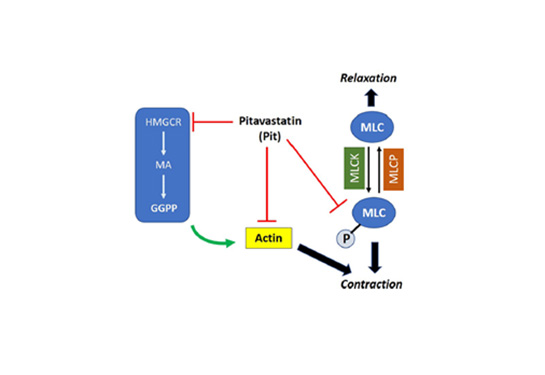
December 3, 2012 — Every four minutes, someone in the U.S. dies from chronic obstructive pulmonary disease, or COPD --the incurable pulmonary disorder usually caused by smoking. COPD is the third highest cause of death in the U.S. after heart disease and cancer.

November 2012

Five health system faculty elected as AAAS fellows

November 29, 2012 — Five UC Davis Health System faculty members have been elected as fellows of the American Association for the Advancement of Science (AAAS). They are among 702 new fellows -- including a total of 17 at the University of California, Davis -- honored for their scientifically distinguished efforts to advance science or its applications. The AAAS will formally recognize new fellows on Feb. 16 during the association's annual meeting in Boston.

General thoracic surgeons emerge as leading providers of complex, noncardiac thoracic surgery

November 28, 2012 — A UC Davis study has found that general thoracic surgeons, especially those at academic health centers, perform the vast majority of complex noncardiac operations, including surgeries of the esophagus and lungs. The authors said their results, published in the October issue of The Annals of Thoracic Surgery, support the designation of general thoracic surgery as a distinct specialty, which will benefit patients when selecting surgeons for specific procedures.

Experts recommend closer scrutiny of radiation exposure from CT scans

November 28, 2012 — Amid increasing fear of overexposure to radiation from CT scans, a panel of experts has recommended more research on the health effects of medical imaging and ways to reduce unnecessary CT tests, as well as industry standardization of CT machines.

International team of investigators discovers likely basis of birth defect causing premature skull closure in infants

November 18, 2012 — An international team of geneticists, pediatricians, surgeons, and epidemiologists from 23 institutions across three continents have identified two areas of the human genome associated with the most common form of non-syndromic  craniosynostosis ― premature closure of the bony plates of the skull. [en español]  [中文 Chinese]

UC Davis Comprehensive Cancer Center marks Lung Cancer Awareness Month

November 16, 2012 — The UC Davis Comprehensive Cancer Center will host a Tweet chat to discuss the latest approaches to lung cancer treatment on Nov. 27 at 1 p.m. in recognition of Lung Cancer Awareness Month. Twitter users are invited to log in and join the conversation about new medical, surgical and radiation oncology approaches to the disease from cancer center  experts. To join, follow #UCDcancerchat.

Call for nominations: Knoepfler Lab seeking "Stem Cell Person of the Year"

November 16, 2012 — Borrowing a thematic page from Time magazine and its annual tradition of identifying an individual or idea that has influenced the events during the year, UC Davis stem cell researcher Paul Knoepfler is seeking nominees for what he's dubbed the "Stem Cell Person of the Year" award.

Study finds high exposure to food-borne toxins

November 13, 2012 — In a sobering study published in the journal Environmental Health, researchers at UC Davis and UCLA measured food-borne toxin exposure in children and adults by pinpointing foods with high levels of toxic compounds and determining how much of these foods were consumed.

Higher anxiety is associated with poorer functioning in children with chromosome 22q11.2 deletion syndrome

November 5, 2012 — UC Davis researchers have found that for children with the genetic disorder known as chromosome 22q11.2 deletion syndrome anxiety ― but not intelligence ― is linked to poorer adaptive behaviors that affect daily life. The developmental syndrome, which is associated with a constellation of physical, cognitive and psychiatric problems, usually is apparent at birth or early childhood, and leads to lifelong challenges. [en español] or [中文 Chinese]

UC Davis scientists identify new target for lung cancer treatment

November 1, 2012 — A team of UC Davis investigators has discovered a protein on the surface of lung cancer cells that could prove to be an important new target for anti-cancer therapy. A series of experiments in mice with lung cancer showed that specific targeting of the protein with monoclonal antibodies reduced the size of tumors, lowered the occurrence of metastases and substantially lengthened survival time. The findings will be published in the November issue of Cancer Research.

October 2012

Large, multi-ethnic study finds that adding soy to the diet does not affect onset of menopausal hot flashes

October 31, 2012 — A team of investigators led by UC Davis found that eating soy products such as soy milk and tofu did not prevent the onset of hot flashes and night sweats as women entered menopause. [en español]

High blood pressure damages the brain in early middle age

October 31, 2012 — Uncontrolled high blood pressure damages the brain's structure and function as early as young middle age, and even the brains of middle-aged people who clinically would not be considered to have hypertension have evidence of silent structural brain damage, a study led by researchers at UC Davis has found. [en español] [中文 Chinese]

Controlling depression is associated with improved health for heart-failure patients

October 30, 2012 — Controlling depression in patients with heart failure can improve health status, social functioning and quality of life, according to a new study by psychiatrists and cardiologists at the UC Davis and Duke University schools of medicine. [en español]

MIND Institute ADHD program receives $3 million grant from NIMH

October 29, 2012 — Attention-deficit/hyperactivity disorder (ADHD) affects the brain's ability to assert self-control, of particular concern during adolescence when the negative consequences of poor self-control can result in choices that can diminish lifetime possibilities for achievement, such as dropping out of school, substance abuse, driving while under the influence or engaging in unprotected sex.

Autism early intervention found to normalize brain activity in children as young as 18 months

October 26, 2012 — An intensive early intervention therapy that is effective for improving cognition and language skills among very young children with autism also normalizes their brain activity, decreases their autism symptoms and improves their social skills, a nationwide study has found. The researchers said that the study is the first to demonstrate that an autism early intervention program can normalize brain activity. [en español]

UC Davis researchers develop new drug delivery system for bladder cancer using nanoparticles

October 25, 2012 — A team of UC Davis scientists has shown in experimental mouse models that a new drug delivery system allows for administration of three times the maximum tolerated dose of a standard drug therapy for advanced bladder cancer, leading to more effective cancer control without increasing toxicity.

Immune activation in pregnant mice affects brains of offspring

October 25, 2012 — A brief kick to the immune system of a pregnant mouse can cause persistent changes in the brains of the offspring, according to new research from the University of California, Davis, Center for Neuroscience.

UC Davis researchers clarify process controlling night vision

October 17, 2012 — On the road at night or on a tennis court at dusk, the eye can be deceived. Vision is not as sharp as in the light of day, and detecting a bicyclist on the road or a careening tennis ball can be tough. New research reveals the key chemical process that corrects for potential visual errors in low-light conditions. Understanding this fundamental step could lead to new treatments for visual deficits, or might one day boost normal night vision to new levels.

People with severe psoriasis have nearly twice the risk of diabetes

October 15, 2012 — An analysis of 27 studies linking psoriasis in 314,000 individuals with diabetes has found strong correlation between the scaly skin rash and the blood sugar disorder that predisposes patients to heart disease, say UC Davis researchers who led the review.

UC Davis part of Stand Up To Cancer and Prostate Cancer Foundation research dream team

October 9, 2012 — Stand Up To Cancer (SU2C) and the Prostate Cancer Foundation (PCF), along with the American Association for Cancer Research (AACR), SU2C's scientific partner, announced the formation of a second Dream Team project dedicated to prostate cancer research -- "Targeting Adaptive Pathways in Metastatic Treatment-Resistant Prostate Cancer."

Scleral lenses benefit patients with corneal irregularities, severe dry eyes

October 8, 2012 — A UC Davis Health System Eye Center study found that scleral lenses, which rest beyond the limits of the cornea and cover the white part of the eye (sclera), were a good alternative for patients with corneal abnormalities whose vision could not be corrected with other types of contact lenses or glasses. The study was published in the journal Eye & Contact Lens.

UC Davis bone health expert to lead new research initiative

October 3, 2012 — Nancy E. Lane, professor of internal medicine and the endowed chair of Healthy Aging and Geriatrics at the UC Davis School of Medicine, has been awarded a $7.2 million federal grant to establish a specialized research center at UC Davis' Sacramento campus to explore the sex differences related to osteoporosis, carpal tunnel syndrome, osteoarthritis, and kyphosis (a condition causing over-curvature of the upper back).

UC Davis establishes prestigious new NIH-funded research center for aging Latinos

October 2, 2012 — Assembling a nationally respected team of nurse, physician and mental-health leaders with broad expertise in brain health and minority aging, UC Davis has established the Latino Aging Research Resource Center (LARRC), through a prestigious five-year, $3 million grant from the National Institute on Aging (NIA). [en español]

September 2012

UC Davis researchers find multiple similarities between cancer cells and induced pluripotent stem cells

September 28, 2012 — UC Davis investigators have found new evidence that a promising type of stem cell now being considered for a variety of disease therapies is very similar to the type of cells that give rise to cancer.

Protein holds promise for drug therapy for central nervous system diseases

September 27, 2012 — Researchers at UC Davis have identified previously unrecognized properties of a naturally occurring protein, finding that it enhances brain cell growth and survival and helps regenerate the protective covering around nerve cells, making it a "strong candidate" for drug development for people with neurodegenerative diseases such as multiple sclerosis.

Oropharyngeal cancer patients with human papillomavirus (HPV) have a more robust response to radiation therapy

September 25, 2012 — UC Davis cancer researchers have discovered significant differences in radiation-therapy response among patients with oropharyngeal cancer depending on whether they carry the human papillomavirus (HPV), a common sexually transmitted virus.

UC Davis researchers receive grant to test new strategy for advanced prostate cancer treatment

September 21, 2012 — A team of UC Davis investigators, led by Christopher P. Evans, professor and chair of the Department of Urology, has received a $660,000 grant from the U.S. Department of Defense to study a promising new approach for treating advanced prostate cancer.

New study analyzes smoking trends in Mexico and among Mexican-Americans

September 20, 2012 — Led by UC Davis researchers, the first-ever transnational study of Mexico-U.S. migration and smoking has found that U.S.-born Mexican-Americans start smoking at an earlier age but are more likely to quit than their counterparts in Mexico. [en español]

New targeted drug for treating fragile X syndrome, potentially autism, is effective

September 19, 2012 — An investigational compound that targets the core symptoms of fragile X syndrome is effective for addressing the social withdrawal and challenging behaviors characteristic of the condition, making it the first such discovery for fragile X syndrome and, potentially, the first for autism spectrum disorder, a study by researchers at the UC Davis MIND Institute and Rush University Medical Center, Chicago, has found. [en español] [中文 Chinese]

New study identifies large gaps in lifetime earnings of specialist and primary-care physicians

September 18, 2012 — A national study has found that earnings over the course of the careers of primary-care physicians averaged as much as $2.8 million less than the earnings of their specialist colleagues, potentially making primary care a less attractive choice for medical school graduates and exacerbating the already significant shortage of medical generalists.

Carter honored as Mental Health Champion by Sacramento County

September 13, 2012 — Cameron Carter, director of the UC Davis Center for Neuroscience, has been honored by the Division of Behavioral Health Services of the Sacramento County Department of Health and Human Services as a Mental Health Champion.

UC Davis researcher receives $1.3 million to develop biopacemaker from stem cells

September 12, 2012 — Deborah K. Lieu, a stem cell scientist in cardiovascular medicine at UC Davis Health System, has received a $1.3 million research grant from the California Institute for Regenerative Medicine (CIRM) to develop stem cells that could serve as a biological alternative to the electronic pacemakers that people now use to regulate heart rhythm.

MIND Institute researchers study ADHD and methamphetamine addiction

September 10, 2012 — Why people with attention-deficit/hyperactivity disorder (ADHD) are at greater risk of substance dependence, particularly methamphetamine dependence, and have greater difficulty overcoming their addiction is the subject of a new study by researchers at the UC Davis MIND Institute.

Gun dealers, pawnbrokers say it's too easy for criminals to get guns

September 10, 2012 — The majority of U.S. firearms dealers and pawnbrokers believe it is too easy for criminals to get guns in America, results from the UC Davis Firearms Licensee Survey reveal. [en español]

Task force sets new clinical practice guidelines for triglycerides

September 7, 2012 — Although treatment strategies for high triglyceride levels in the blood are well established, new clinical practice guidelines from the Endocrine Society released today in the Journal of Clinical Endocrinology and Metabolism recommend that more attention should be paid to the ways each person's unique history, physiology and lifestyle interact to affect risk. [en español]

August 2012

UC Davis-led conference promotes new collaborations in Brazil

August 28, 2012 — An interdisciplinary delegation of researchers and educators, led by UC Davis, met this month at the Integrated Biological Networks Driving Disease Outcomes conference in Uberlândia, Brazil, to explore new opportunities for collaboration with the Brazilian Research Network in the biomedical and translational sciences.

Three young UC Davis researchers receive prestigious national grants to study schizophrenia

August 28, 2012 — Each addressing the disease from different and unique perspectives, three young UC Davis researchers have received one of the most prestigious mental-health grants in the world to investigate one of the least understood and devastating psychiatric disorders:  schizophrenia.

Diagnosis often missed for Hispanic children with developmental delay, autism

August 27, 2012 — Hispanic children often have undiagnosed developmental delays and large numbers of Hispanic and non-Hispanic children who first were thought to have developmental delay actually had autism, researchers affiliated with the UC Davis MIND Institute have found. [en español]

UC Davis expert available to comment on Empire State Building shootings

August 24, 2012 — Garen Wintemute, an emergency medicine physician and director of the UC Davis Violence Prevention Research Program, is available to comment on the stray-bullet shooting incident that occurred outside the Empire State Building today.

St. Baldrick's Foundation awards $100,000 to UC Davis scientist

August 21, 2012 — For the second consecutive year, Paul Knoepfler, associate professor of cell biology and human anatomy at UC Davis School of Medicine, has been awarded a $100,000 grant from the St. Baldrick's Foundation to pursue his novel research into the molecular causes of brain tumors in children.

Pediatric quality-improvement efforts advance resident education, patient care

August 20, 2012 — From screening new mothers for post-partum depression to ensuring that children receive regular dental health check-ups, quality-improvement efforts by residents at UC Davis Children's Hospital have been highly effective at improving both resident education and patient outcomes, a study by pediatric medical education faculty has found.

E-health house calls, novel probiotics among new research funded at UC Davis Health System

August 17, 2012 — UC Davis Health System faculty are among the principal investigators and collaborators awarded funding from the new Research Investments in Sciences and Engineering (RISE) program to conduct innovative, multidisciplinary research in areas of strategic importance to California, the nation and the world.

UC Davis, Shriners to study using magnets to correct "sunken chest"

August 14, 2012 — UC Davis Children's Hospital and Shriners Hospitals for Children-Northern California have embarked on a groundbreaking study of a device that uses magnets to correct sunken chest, the most common congenital chest-wall abnormality, in the same way that orthodontic braces correct teeth. [en español]

Chemical widely used in antibacterial hand soaps may impair muscle function

August 13, 2012 — Triclosan, an antibacterial chemical widely used in hand soaps and other personal-care products, hinders muscle contractions at a cellular level, slows swimming in fish and reduces muscular strength in mice, according to researchers at the University of California, Davis, and the University of Colorado.

UC Davis researchers identify cellular basis for how anti-aging cosmetics work

August 13, 2012 —  A team of investigators from UC Davis and Peking University have discovered a mechanism that may explain how alpha hydroxyl acids (AHAs) ― the key ingredient in cosmetic chemical peels and wrinkle-reducing creams ― work to enhance skin appearance. An understanding of the underlying process may lead to better cosmetic formulations as well as have medical applications. [ 中文 (Chinese)] 

Research shows gene defect's role in autism-like behavior

August 10, 2012 — Scientists affiliated with the UC Davis MIND Institute have discovered how a defective gene causes brain changes that lead to the atypical social behavior characteristic of autism. The research offers a potential target for drugs to treat the condition.

Leaders gather to develop competencies for pain management education

August 10, 2012 — A team of 30 pain and education experts from throughout North America gathered for an intensive two-day summit at UC Davis Health System last week to develop competencies in pain management education for new clinicians across the health professions.

Ramsey Badawi awarded prestigious "Provocative Questions" grant from NCI

August 9, 2012 — Ramsey Badawi, UC Davis associate professor of biomedical engineering, has won a groundbreaking grant from the National Cancer Institute (NCI) to address whether tumors can be detected when they are two to three times smaller than those detectable using current imaging methods.

$17 million grant to fund seizure, neurotoxin research

August 8, 2012 — A new $17 million research center dedicated to identifying medical countermeasures for neurotoxic chemicals that cause seizures in humans has been established by the U.S. National Institutes of Health at the University of California, Davis.

Fructose consumption may impact development of metabolic syndrome

August 7, 2012 — Prolonged fructose consumption may contribute to the development of metabolic syndrome, a combination of medical disorders that, when occurring together, increases the risk of developing cardiovascular disease and diabetes. [en español]

UC Davis Health System's Research Volunteer Registry receives 2012 Sautter Golden Award

August 6, 2012 — UC Davis Health System's Research Volunteer Registry project received the 2012 Larry L. Sautter Golden Award for Innovation in Information Technology. The project is one of nine -- and the only one from UC Davis -- to receive a Sautter Award, and it is one of only three to be recognized with a Golden Award within the entire UC system.

July 2012

Graduate student wins top research fellowship

July 31, 2012 — Andrea Ferrero, a UC Davis PhD candidate in biomedical engineering, has been awarded a 2012 Howard Hughes Medical Institute International Student Research Fellowship for his work on use of PET/CT scanning to monitor the effects of breast cancer treatment.

Increasingly popular medical school applicant interview process favors extroverts

July 27, 2012 — Although conscientiousness is the personality factor that predicts better performance in medical school and physician practice, a new UC Davis study has found that extroversion is the only personality type associated with better performance in the Multiple Mini-Interview (MMI) process, an increasingly popular method for interviewing and selecting medical students.

UC Davis stem cell researchers awarded $53 million

July 26, 2012 — UC Davis Health System researchers who are working to speed therapies to patients suffering from critical limb ischemia, osteoporosis and Huntington's disease received approval today for three separate research grants from the state's stem cell agency totaling more than $53 million. [en español]

$14 million to UC Davis for stem cell research in vascular disease

July 26, 2012 — UC Davis Health System researchers working to speed therapies to patients suffering from critical limb ischemia (CLI) received approval today for a $14.1 million grant from the state's stem cell agency, the California Institute for Regenerative Medicine (CIRM).

Stem cell grant to UC Davis targets osteoporosis

July 26, 2012 — Researchers at UC Davis Health System in Sacramento have received approval for a $20 million grant proposal to refine a stem cell therapy for osteoporosis patients and test its effectiveness in clinical trials over the next four years.

Huntington's disease research fueled by $19 million from stem cell agency

July 26, 2012 — In what scientists and patients advocates say is an exciting development in the area of Huntington's disease (HD) research, California's stem cell agency today approved a grant proposal worth nearly $20 million that is designed to propel researchers at UC Davis Health System toward preparing for the first FDA-approved cellular therapy for HD patients.

UC Davis dermatologist among scientists honored with Presidential award

July 23, 2012 — Emanual Maverakis, assistant professor of dermatology at UC Davis School of Medicine, joins a highly select group later this month in a White House ceremony honoring recipients of this year's Presidential Early Career Awards for Scientists and Engineers, the highest honor bestowed by the United States government on outstanding scientists and engineers in the early stages of their independent research careers.  

UC Davis researcher seeks to improve the self-care skills of patients with depression and diabetes

July 20, 2012 — With a $700,000 grant from the National Institute of Mental Health (NIMH), a UC Davis researcher will determine if primary-care physicians can use specific interviewing techniques to improve the self-care skills of patients with depression and diabetes.

Blood condition is highly predictive of graft failure in pediatric kidney transplant

July 19, 2012 — For children receiving kidney transplants, a potentially correctable blood condition present in about one in four recipients is associated with a moderately increased risk of the graft's later failure, suggesting that clinicians should weigh whether transplant is advisable when the condition is present, according to UC Davis research presented today at the 24th International Congress of the Transplantation Society in Berlin.

New study reveals racial disparities in voice box-preserving cancer treatment

July 16, 2012 — A new epidemiological study led by UC Davis researchers reveals significant racial disparities in the use of non-surgical larynx-preservation therapy for locally advanced laryngeal cancer.

UC Davis scientist receives a $1.5 million grant for rheumatoid arthritis research

July 11, 2012 — UC Davis researcher Iannis Adamopoulos has received a $1.5 million grant from the National Institute of Arthritis and Musculoskeletal and Skin Diseases to study the causes of rheumatoid arthritis -- a chronic disease that affects people of all ages and leads to permanent bone and joint damage.

UC Davis researchers demonstrate usefulness of a novel PET/CT device in inflammatory arthritis

July 10, 2012 — UC Davis researchers have shown that their specially constructed PET/CT scanner enables better monitoring of the course of inflammatory arthritis - a costly and painful disease.

UC Davis study finds stray-bullet shootings frequently harm women and children

July 9, 2012 — Most people killed or wounded in stray-bullet shootings were unaware of events leading to the gunfire that caused their injuries, and nearly one-third of the victims were children and nearly half were female, according to a new nationwide study examining an often-overlooked form of gun violence

Patients trust doctors but consult the Internet

July 6, 2012 — Patients look up their illnesses online to become better informed and prepared to play an active role in their care -- not because they mistrust their doctors, a new University of California, Davis, study suggests.  

UC Davis study finds that above-normal weight alone does not increase the short-term risk of death

July 6, 2012 — An evaluation of national data by UC Davis researchers has found that extra weight is not necessarily linked with a higher risk of death.

UC Davis program addresses California's need for diverse physician workforce

July 5, 2012 — An innovative physician education program that combines psychiatry with either family practice or internal medicine training has received $1.2 million in additional funding from the California Department of Mental Health to extend the program through 2014. [español]

New vice chair of research joins the pathology and laboratory medicine department

July 3, 2012 — Yu-Jui Yvonne Wan, a national leader in the study of liver diseases whose work focuses on the role of retinoids and their receptors in control of liver function, joined the Department of Pathology and Laboratory Medicine as professor and vice chair of research on July 1.

National neuroscience research project now under way at UC Davis

July 2, 2012 — UC Davis Health System researchers who want to investigate new approaches to treating neurological diseases now have an unprecedented set of tools for making clinical trials more efficient, getting results more rapidly and, ultimately, enabling them to bring innovative and effective treatments to people with debilitating disorders.

UC Davis researchers find biomarker that predicts response to chemotherapy for osteosarcoma

July 2, 2012 — Knowing whether a patient's tumor has this protein biomarker could help doctors determine if a patient should undergo standard treatment or if a more aggressive or alternative therapy may be more effective. [en español]

June 2012

Study finds career flexibility important among male and female physicians across generations

June 29, 2012 — With increasing expectations from younger generations that careers be more family-friendly and to help address the predicted physician shortage in coming decades, academic medical centers nationwide are looking for ways to strengthen faculty workplace policies to attract and retain physicians. 

Internationally renowned neuroscientist joins UC Davis MIND Institute

June 29, 2012 — Jacqueline N. Crawley, one of the world's foremost researchers in behavioral neuroscience and a leading investigator using mouse models to develop novel, targeted treatments for individuals with autism spectrum disorder, joins the faculty of the UC Davis School of Medicine and UC Davis MIND Institute in July as the Robert E. Chason Chair in Translational Research.

UC Davis researchers win three of 11 California breast cancer research grants

June 27, 2012 — Three multidisciplinary teams of UC Davis researchers have been awarded IDEA grants from the California Breast Cancer Research Program.

Duplicate spending on veterans' care costs billions

June 26, 2012 — A new study published today in the Journal of the American Medical Association (JAMA) found that the federal government made about $13 billion in duplicative payments to provide health-care services to veterans who were simultaneously enrolled in Medicare Advantage plans from 2004-2009.

Media advisory: UC Davis announces "blueprint" for improving Latino mental health services

June 22, 2012 — The UC Davis Center for Reducing Health Disparities will announce the results of a first-of-its-kind study commissioned by the State of California that details barriers to access and utilization of mental-health services among Latinos in California and offers solutions for reducing those disparities.

Immune system weaves cobweb-like nanonets to snag Salmonella, other intestinal microbes

June 21, 2012 — A team of researchers led by UC Davis Health System has found that human alpha-defensin 6 (HD6) - a key component of the body's innate defense system - binds to microbial surfaces and forms "nanonets" that surround, entangle and disable microbes, preventing bacteria from attaching to or invading intestinal cells.

UC Davis researcher receives funding to improve physicians' counseling skills

June 20, 2012 — Joshua Fenton, a leader in research to improve the quality of primary health-care services, has been selected to receive nearly $700,000 from the Patient-Centered Outcomes Research Institute (PCORI) to identify ways to reduce unneeded medical care.

UC Davis experts to host discussion on leukemia, lymphoma and the promise of stem cell therapies

June 19, 2012 — Experts from UC Davis Health System will share their latest research about regenerative medicine, with a focus on leukemia and lymphoma, during a community forum on the university's Sacramento campus.

New study explores novel autism treatments for very young children

June 15, 2012 — Researchers at the UC Davis MIND Institute and the University of Washington have received grants from Autism Speaks to extend their groundbreaking research into novel, high-impact treatments for very young children.

Folic acid intake during early pregnancy associated with reduced risk of autism in offspring

June 13, 2012 — A new study by researchers at the UC Davis MIND Institute suggests that women who consume the recommended daily dosage of folic acid, the synthetic form of folate or vitamin B-9, during the first month of pregnancy may have a reduced risk of having a child with autism.

UC Davis Comprehensive Cancer Center researcher awarded national recognition

June 11, 2012 — Karen Kelly, associate director for clinical research at the UC Davis Comprehensive Cancer Center, has been selected as a 2012 fellow with the American Society of Clinical Oncology.

UC Davis scientists find new role for P53 genetic mutation -- initiation of prostate cancer

June 6, 2012 — A team of UC Davis investigators has found that a genetic mutation may play an important role in the development of prostate cancer. The mutation of the so-called p53 (or Tp53) gene was previously implicated in late disease progression, but until now has never been shown to act as an initiating factor. The findings may open new avenues for diagnosing and treating the disease.