

Department of Urologic Surgery
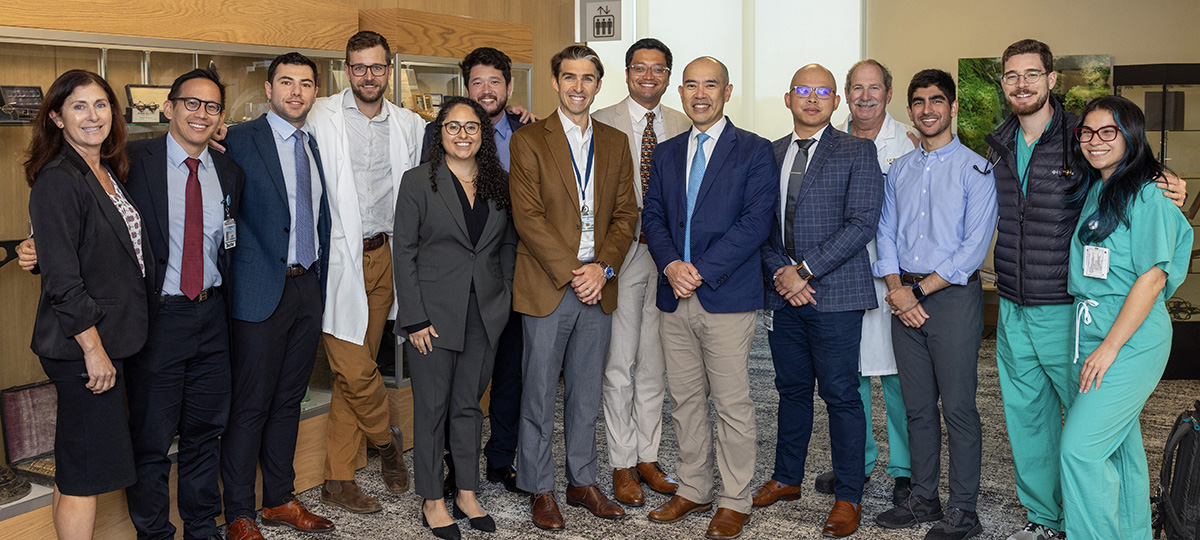
Welcome to the Department of Urologic Surgery at UC Davis Health. We are committed to providing state-of-the-art medical and surgical care for pediatric and adult urology patients. Our department also is at the forefront of basic scientific and translational research as well as being a primary site for clinical trials that offer new hope for patients.
Our surgeons specialize in every area of urology. They work closely with medical oncologists, pediatricians, radiation therapists and gynecologic surgeons to provide comprehensive care. We also have a dedicated research staff in molecular and cell biology, tumor biology, biochemistry and molecular genetics. For clinical trials, we not only treat patients with the latest in clinical technology, we understand their conditions in the laboratory environment as well.
The special services we offer range from surgery for aggressive and locally advanced urologic tumors to reconstructive and minimally invasive procedures. We also offer the latest in robotic-assisted surgery, which also offers many benefits to patients. Every member of our team is a respected leader in their field of expertise, combining excellent credentials and experience with superb clinical skills.
We are dedicated to providing each and every patient with the best care possible. If you or loved ones have any questions about our medical or research services, please feel free to contact us. We are here to help.

Marc A. Dall'Era, M.D.
Acting Chair and Professor
Department of Urologic Surgery
Highlighted specialty clinical services
- Prostate cancer treatment including robotic prostatectomy and focal therapy
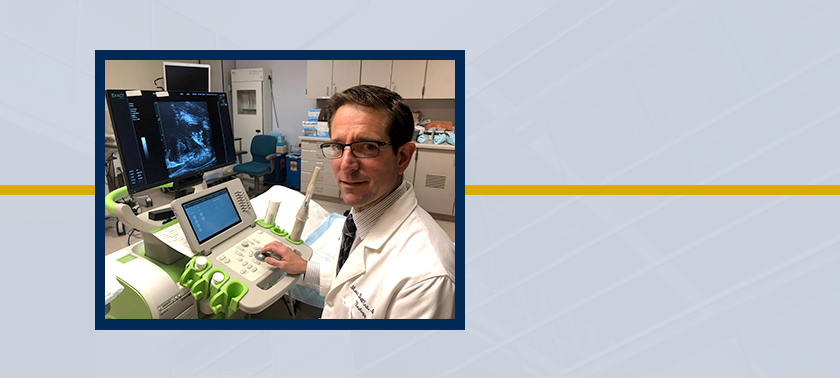
- Transperineal prostate biopsy and high-resolution microultrasound for prostate cancer detection
- Continent urinary diversion
- Genitourinary reconstruction for adults and children
- Male infertility and Sexual Dysfunction
- Vasectomy reversal
- Female urology
- Pediatric Urology
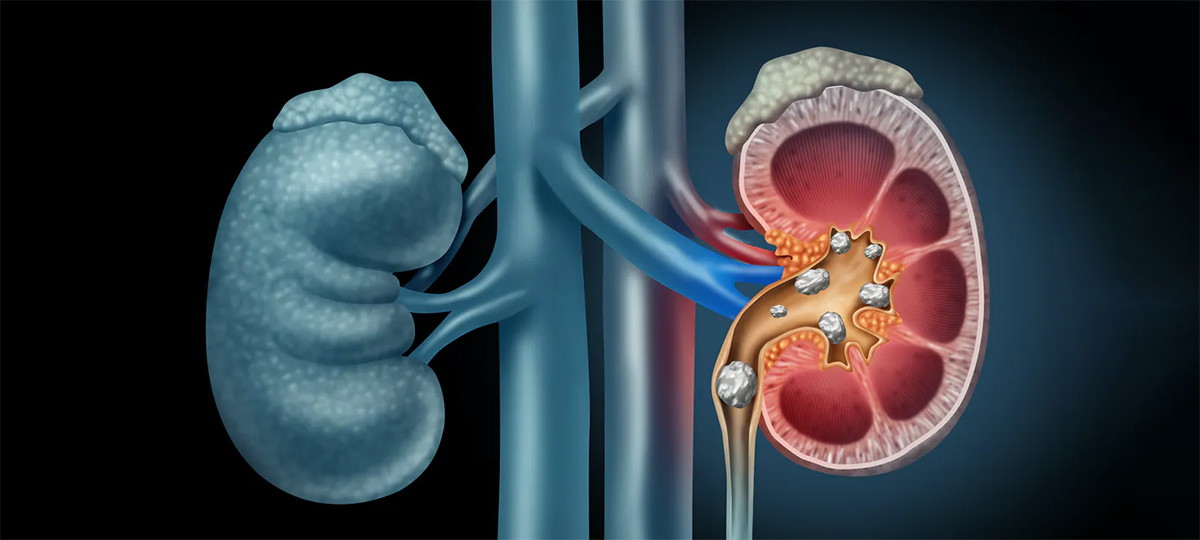
- Percutaneous nephrolithotripsy for kidney stones
- Diagnostic and therapeutic ureteroscopy for kidney stones and other conditions
- Radiation oncology
- Complex urinary incontinence surgery
- Laparoscopic renal surgeries
- Minimally invasive treatments for benign prostatic hyperplasia
Research and clinical trials
A strong research component drives the department, and active participation in national clinical trials keeps our physicians informed about the newest treatment combinations. Current research and clinical study areas include:
Prostate cancer — Biomolecular markers and mechanisms for prostate cancer, genetic mistakes that give rise to prostate cancer, and new methods for diagnosis and treatment
Bladder cancer
Pediatric urology — stem cell biology and tissue engineering
Effectiveness of antegrade and retrograde percutaneous nephrolithotripsy
Kidney stones — Metabolic abnormalities and effective treatment regimens for recurrent stone formations
Bladder dysfunctions — Sacral root stimulation for voiding dysfunction and neurogenic bladder
Urinary incontinence — Non-operative treatments for stress incontinence
Kidney cancer — New laparoscopic techniques for renal surgeries
Learn more about Department of Urologic Surgery's Research and Clinical Trials »
 The pediatric urology program is designed specifically for the care of infants and children with urologic conditions.