
Protecting the Health of Our Community
Infectious Diseases
UC Davis Health is a major referral center for accurate diagnosis and treatment of common and rare infectious diseases.
Specialties
Infectious Diseases
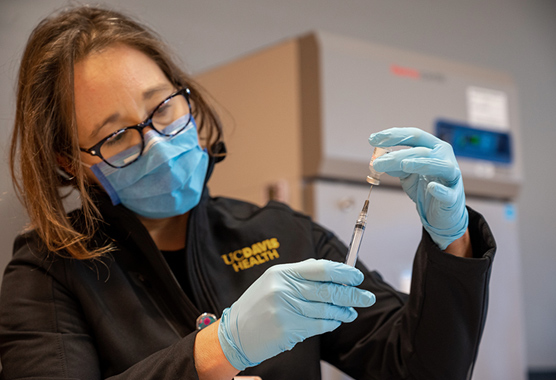
At the Forefront of Vaccine Development and Clinical Trials
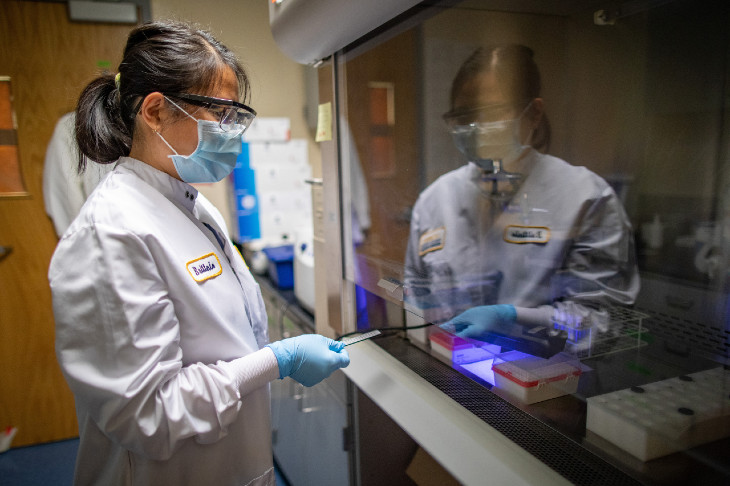
The UC Davis Division of Infectious Diseases has been renowned throughout the past three decades for leading-edge research and treatment of HIV and AIDS, and helped establish and staff the nonprofit Sacramento clinic now known as One Community Health. Our physicians and researchers have been at the forefront of COVID-19 treatment, vaccine development and clinical trials since the pandemic began. Our physicians are involved with UC Davis Medical Center’s Acute Infections Management Service, which enables hospitalized patients who require daily intravenous antibiotic infusion to continue treatment at home. We also can help prevent disease. Patients rely on our Travelers Clinic for immunizations to help protect them against diseases when visiting other parts of the world.
Personalized Care
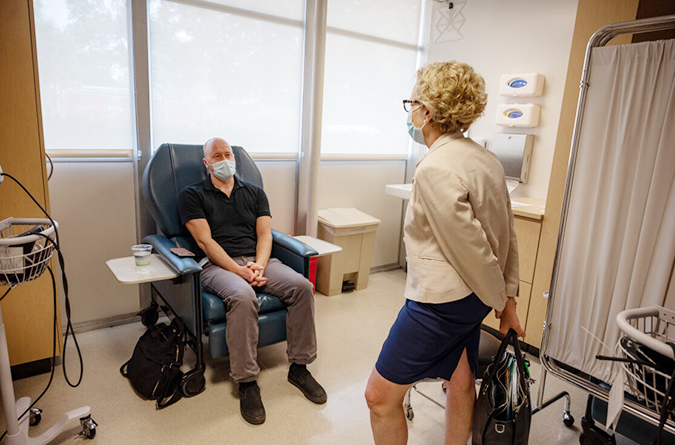
Our team includes experts in managing diseases caused by bacteria, viruses, fungi or parasites, including HIV/AIDS, hepatitis, tuberculosis, Clostridium difficile, MRSA and valley fever. In addition to complete consultation, testing and treatment, we offer specialized services for many of these diseases.
Know Before You Go
Learn more about protecting yourself
The Traveler's Clinic
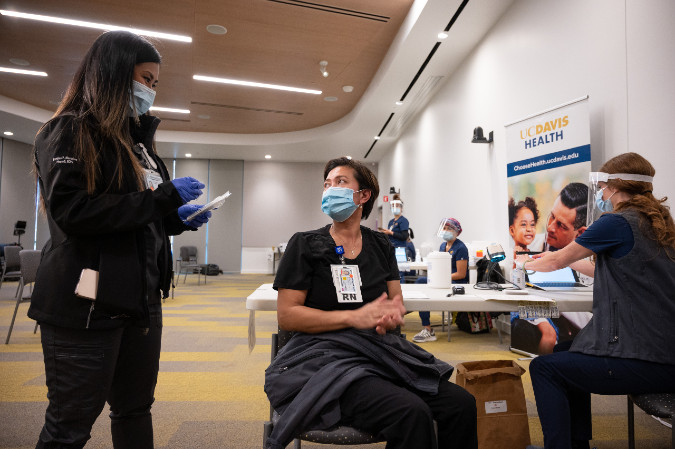
UC Davis Infectious Diseases team provides expert medical consultation for those planning international trips.
New and Current Patients
Make an appointment
Appointments and Referrals
Whether you are seeking everyday health care or need specialty care for a specific medical problem, we are here to help.
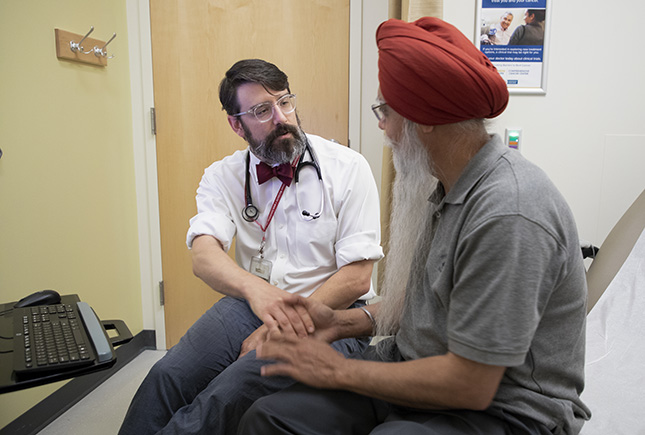
Research Projects
Our team is continuously at the forefront of infectious diseases research, ranging from HIV/AIDS to fungal diseases.
Our Fellowship Program
The infectious diseases fellowship program offers a unique and comprehensive experience that helps train tomorrow's leaders in patient care and research.