
Gastroenterology and Hepatology
Digestive and Liver Health
Our specialists are experts in diagnosing and treating patients who have complex digestive system and liver disorders
Specialties
Gastroenterology and Hepatology
Gastroenterology and Hepatology
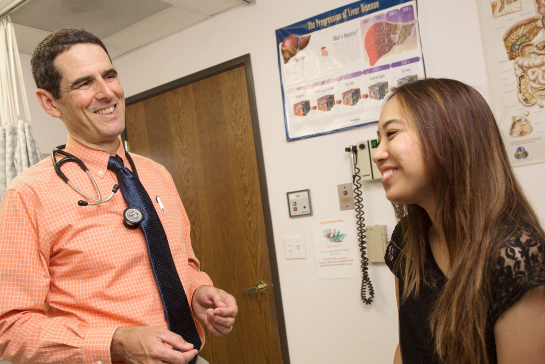
Our physicians are focused on providing personalized care and help managing conditions to improve our patients’ quality of life. Physicians in the UC Davis Division of Gastroenterology and Hepatology are at the forefront of medical knowledge, conducting research and educating medical students and fellows.
Our highly respected team has expertise in analyzing and treating patients who have complex gastrointestinal disorders. Those include problems that affect motility, the natural rhythmic contractions that move nutrients through the digestive tract. Gastrointestinal motility disorders, functional bowel disorders and gastroesophageal reflux disease affect about 30% of Americans. Left untreated, motility problems can cause bloating, nausea and gas. People who endure the discomfort that these conditions cause do so needlessly, because remarkable advancements have been made in technology, medications and techniques to treat these diseases. Our physicians have helped patients with many types of motility disorders and know how to manage them effectively.
Liver Disease
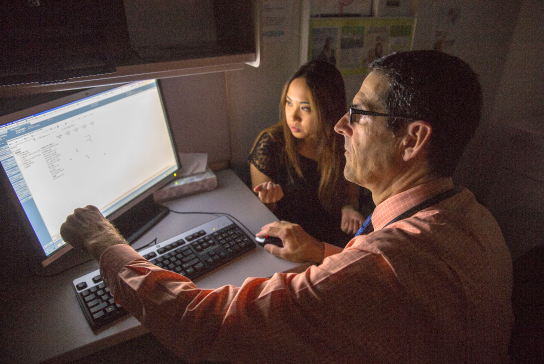
Whether it's hepatitis C and B, primary biliary cirrhosis, primary sclerosing cholangitis, the hepatology team at UC Davis Health are known for their outstanding commitment to patient care and research in acute and chronic liver diseases.
Expertise in All Areas of Liver Disease Care
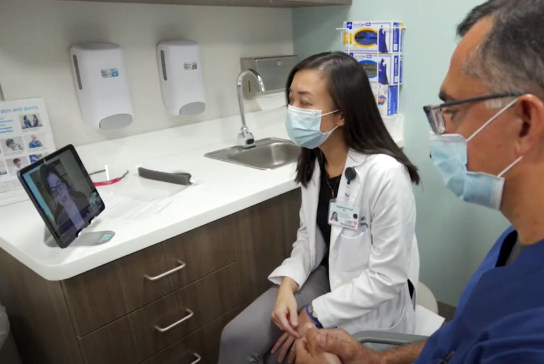
Our gastroenterology and hepatology group offers a broad range of endoscopic procedures using state-of-the-art technology.
New and Current Patients
Make an appointment
Appointments and Referrals
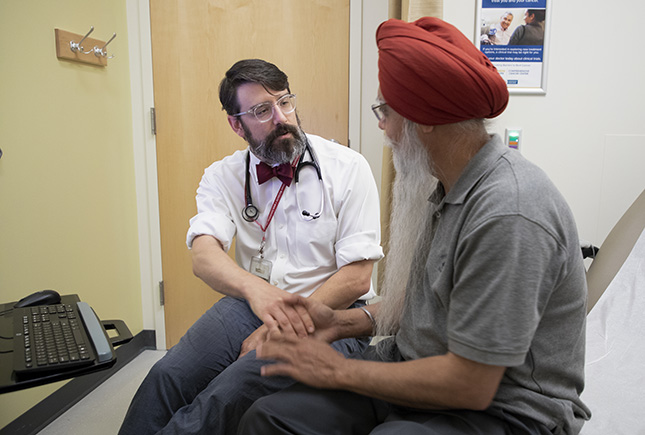
Whether you are seeking everyday health care or need specialty care for a specific medical problem, we are here to help.
Gastroenterology and GI Surgery
UC Davis Medical Center is rated as high performing in gastroenterology and GI Surgery by U.S. News and World Report.
Research Projects
We offer a multitude of clinical trials and studies to further our understanding of disease, help discover new treatments, and provide cutting-edge care for our patients.
Our Fellowship Program
The gastroenterology fellowship program helps train tomorrow's leaders in patient care and research.