


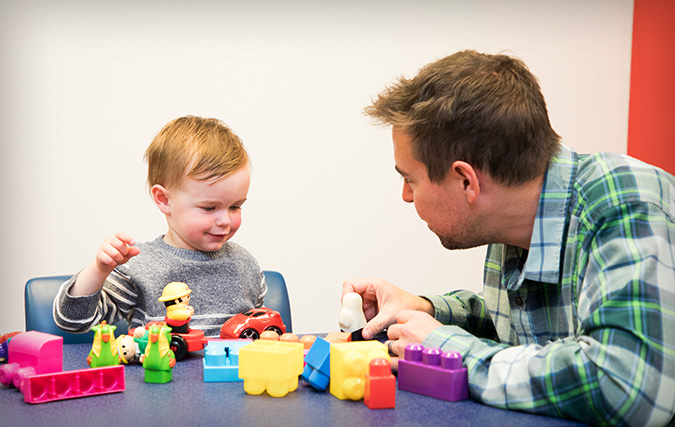
What is Trauma Focused-Cognitive Behavior Therapy?
Trauma-Focused Cognitive Behavioral Therapy (TF-CBT) is a clinic based treatment that involves individual sessions with the child and parent as well as joint parent-child sessions. The TF-CBT treatment model is informed by effective interventions for adult PTSD and for non-PTSD child anxiety disorders, and by cognitive and learning theories about the development of PTSD in children. The goal of TF-CBT is to address the unique biopsychosocial needs of children with Post-Traumatic Stress Disorder (PTSD) or other problems (e.g., depression, anxiety, anger) related to traumatic life experiences (e.g., sexual abuse, domestic violence). This therapy is for children ages 3 to18 who have significant behavioral and emotional difficulties that are related to traumatic life events, even if they do not meet full diagnostic criteria PTSD. TF-CBT has been used effectively with boys and girls from all socioeconomic backgrounds, who have lived in a variety of settings (e.g., with parents/relatives, foster placements, group homes), and who are from diverse ethnic groups.
Is TF-CBT Effective?
The Kaufman Best Practices Report describes TF-CBT as the only accepted evidence-based treatment for sexually abused children. TF-CBT is one of only three treatments for child abuse that is identified as an "efficacious, well-supported treatment." Thus, it is truly considered best practice for treating children having experienced trauma. Studies consistently show that participation in TF-CBT results in improvement in many areas of child functioning, such as a reduction in the frequency and severity of trauma symptoms, reduced shame and abuse-related attributions, decreased depressive and anxiety symptoms, and diminished disruptive and sexualized behaviors. Furthermore, significant reductions in levels of parental distress and improvements in the quality and level of parental support have also been found following treatment.
Components of TF-CBT
Components are presented in a logical sequence, with each module of treatment building on skills and progress gained from previous sessions. TF-CBT is comprised of the following essential components: education about childhood trauma and PTSD, emotion education and emotion regulation skills, relaxation/stress management, connecting thoughts, feelings, and behaviors related to the trauma, direct discussion of the traumatic event, encouraging gradual exposure to trauma reminders (if appropriate), emotional processing of the traumatic event, cognitive exploration and reframing of trauma relevant attributions and the meaning of the trauma, education about healthy interpersonal relationships, personal safety skills training, and coping with future trauma reminders. The parent treatment components also include parenting skills, such as effective behavior management strategies. Eventually, joint parent-child sessions are conducted to practice skills, allow the child and parent to share and discuss the child’s trauma narrative together, optimize comfortable communication, and to provide education about personal safety and healthy sexuality (Cohen, Deblinger, Mannarino, Steer, 2004; Cohen, Mannarino, & Deblinger, 2007).